# Gel vs. Cream Moisturizers: Unveiling the Perfect Texture and Function for Your Skin’s Ultimate Glow

Choosing between gel and cream moisturizers can transform your skincare routine and unlock your skin’s natural radiance.
The texture of your moisturizer matters more than you might think. Every skin type responds differently to formulation densities, absorption rates, and ingredient delivery systems. Understanding these differences empowers you to make informed decisions that directly impact your complexion’s health and appearance.
Understanding the Fundamental Differences Between Gel and Cream Moisturizers 💧
Gel moisturizers feature a lightweight, water-based formula that creates a cooling sensation upon application. Their transparent or translucent appearance comes from a higher water content and specialized gelling agents that create their distinctive consistency. These formulations typically contain humectants like hyaluronic acid, glycerin, and aloe vera that draw moisture into the skin rather than creating a barrier on top.
Cream moisturizers, conversely, possess a thicker, richer texture derived from emulsions of water and oil. These formulations create an occlusive layer on the skin’s surface, preventing transepidermal water loss while delivering nourishing lipids. Creams often incorporate butter, oils, ceramides, and fatty acids that reinforce the skin’s natural moisture barrier.
The molecular structure explains their performance differences. Gels typically have smaller molecules that penetrate quickly, while creams feature larger molecular structures that sit on the skin’s surface longer, providing extended protection and hydration.
How Skin Types Respond to Different Moisturizer Textures
Your skin type serves as the primary compass when navigating between gel and cream formulations. Oily and combination skin types generally thrive with gel moisturizers because they hydrate without adding excess sebum or clogging pores. The lightweight texture absorbs rapidly, leaving a matte or slightly dewy finish that doesn’t exacerbate shine in the T-zone.
Dry and mature skin types typically benefit more from cream moisturizers. These skin types lack sufficient natural oils and require formulations that compensate for this deficiency. Creams deliver essential fatty acids and create a protective barrier that prevents moisture evaporation throughout the day and night.
Normal skin enjoys versatility, responding well to both textures depending on environmental conditions and seasonal changes. Many people with normal skin alternate between gels in summer and creams in winter, adjusting their routine to accommodate fluctuating humidity levels and temperature extremes.
Sensitive Skin Considerations 🌸
Sensitive skin requires special attention regardless of texture preference. Both gels and creams can irritate reactive skin if they contain problematic ingredients. Look for fragrance-free, hypoallergenic formulations with minimal ingredient lists. Gel moisturizers often suit sensitive skin better because they contain fewer potential irritants, though gentle cream formulations with ceramides and colloidal oatmeal can provide soothing relief.
Seasonal Adaptations: When to Switch Your Moisturizer Texture
Climate and seasonal changes dramatically affect your skin’s hydration needs. During humid summer months, high temperatures and increased moisture in the air mean your skin requires less occlusive protection. Gel moisturizers excel in these conditions, providing hydration without feeling heavy or contributing to sweat-induced breakouts.
Winter weather presents opposite challenges. Cold temperatures, low humidity, and indoor heating systems strip moisture from skin aggressively. Cream moisturizers become essential during these months, creating protective barriers against harsh environmental conditions. The richer texture compensates for decreased natural oil production that occurs when temperatures drop.
Transitional seasons like spring and autumn offer opportunities to layer products. Many skincare enthusiasts apply a lightweight gel moisturizer first for quick hydration, then seal it with a thin layer of cream for extended protection. This layering technique combines the best properties of both textures.
Active Ingredients: How Texture Affects Delivery and Efficacy ✨
The vehicle matters almost as much as the active ingredients themselves. Gel formulations excel at delivering water-soluble actives like vitamin C, niacinamide, and hyaluronic acid. The aqueous base allows these ingredients to penetrate efficiently and work at optimal pH levels. Gels also provide excellent delivery systems for certain types of retinol and peptides designed for deeper penetration.
Cream moisturizers serve as superior carriers for oil-soluble ingredients including vitamin E, ceramides, cholesterol, and many plant oils. These lipid-based actives require emollient vehicles to maintain stability and effectiveness. Creams also buffer potentially irritating ingredients, making them gentler for sensitive skin types.
Antioxidants demonstrate varying stability depending on formulation type. Vitamin C serums often perform better in gel-type bases with appropriate pH levels, while vitamin E maintains potency longer in cream formulations. Understanding these nuances helps you select products where texture enhances rather than compromises active ingredient performance.
The Role of Preservatives in Different Textures
Water-based gel moisturizers require robust preservative systems because water creates breeding grounds for bacteria and mold. However, modern cosmetic chemistry has developed gentle, effective preservatives that protect products without irritating skin. Cream moisturizers with lower water content sometimes need fewer preservatives, though all water-containing formulations require antimicrobial protection.
Application Techniques That Maximize Each Texture’s Benefits
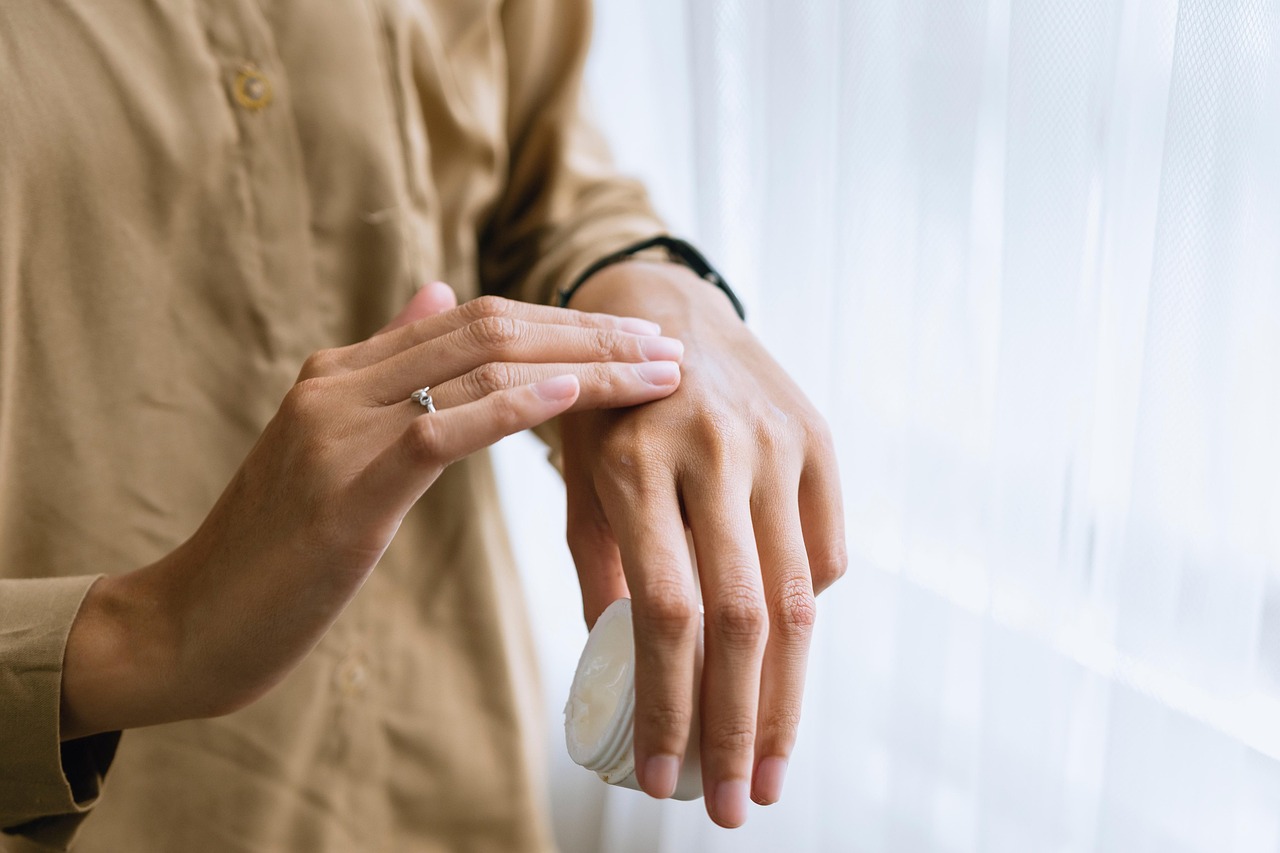
Proper application amplifies moisturizer performance regardless of texture. For gel moisturizers, apply to damp skin immediately after cleansing. The residual moisture helps spread the product evenly while the humectants lock in that surface hydration. Use gentle patting motions rather than rubbing, which can disturb the gel structure and reduce effectiveness.
Cream moisturizers work best on slightly damp skin as well, but they require a different technique. Warm a small amount between your palms before pressing it gently onto your face. This warming action softens the cream, improving spreadability and absorption. Use upward and outward motions to support skin elasticity while distributing the product evenly.
Quantity matters significantly. Gel moisturizers typically require less product—about a nickel-sized amount covers the entire face. Creams need slightly more due to their density, approximately a quarter-sized portion. Both textures should leave skin hydrated without residual greasiness or tackiness.
Morning vs. Night: Strategic Texture Selection for Optimal Results 🌙
Daytime skincare routines benefit from gel moisturizers for several practical reasons. Their lightweight texture sits beautifully under sunscreen and makeup without pilling or creating a greasy base. Gels absorb quickly, allowing you to proceed with your routine efficiently. The matte or semi-matte finish photographs well and maintains makeup integrity throughout the day.
Nighttime presents an opportunity for more intensive treatment. Cream moisturizers support the skin’s natural repair processes that peak during sleep. The occlusive barrier prevents moisture loss during the night’s long period without product application. Richer formulations deliver higher concentrations of nourishing ingredients when skin is most receptive to treatment.
Many dermatologists recommend a dual-texture approach: gel moisturizers during the day for compatibility with other products and cream formulations at night for intensive repair and nourishment. This strategy addresses both immediate and long-term hydration needs while accommodating practical lifestyle considerations.
Combination Formulations: Hybrid Products That Merge Both Worlds
Skincare innovation has produced hybrid formulations that incorporate advantages from both textures. Gel-creams start as rich creams but transform into lightweight, quickly-absorbing gels upon application. These formulations suit various skin types and eliminate the need to choose between textures.
Water-creams represent another hybrid category, featuring primarily water-based formulations with cream-like richness. They provide substantial hydration without heaviness, appealing to those who want cream benefits without the texture. These products often incorporate innovative ingredients like Japanese wild rose or birch water that enhance hydration while maintaining lightness.
Emulsion moisturizers from Korean skincare traditions offer yet another middle ground. These products feature lower oil content than traditional creams but more substance than pure gels. Emulsions layer beautifully with other products and suit nearly all skin types, making them excellent introductory products for those unsure about texture preferences.
Common Mistakes When Choosing and Using Different Textures 🚫
One frequent error involves selecting moisturizer texture based solely on skin type generalizations without considering individual needs. Not all oily skin types need gel moisturizers exclusively—some experience dehydration that requires cream formulations. Similarly, not all dry skin benefits from heavy creams; some people have dry, congestion-prone skin that performs better with lightweight hydrators.
Another mistake involves applying too much product to compensate for choosing the wrong texture. If your gel moisturizer isn’t providing adequate hydration, adding more product rarely solves the problem. Instead, you need a richer formulation or additional hydrating layers beneath your moisturizer.
Ignoring climate and environmental factors represents a third common pitfall. Your perfect winter moisturizer likely feels too heavy in summer humidity. Failing to adjust your routine seasonally can lead to breakouts, clogged pores, or inadequate protection against environmental stressors.
The Over-Complication Trap
Skincare enthusiasts sometimes layer too many products of incompatible textures, creating pilling, reduced efficacy, or skin overwhelm. When combining gels and creams, apply thinnest-to-thickest, allowing adequate absorption time between layers. Your skin can only absorb so much product—more doesn’t always mean better results.
Professional Insights: What Dermatologists Recommend for Different Concerns
Dermatologists emphasize matching moisturizer texture to specific skin concerns beyond basic skin type. For acne-prone skin, lightweight gel formulations with non-comedogenic ingredients prevent pore congestion while maintaining necessary hydration. Look for gels containing niacinamide, which regulates sebum production while hydrating.
Anti-aging skincare typically benefits from cream formulations that deliver higher concentrations of peptides, retinoids, and antioxidants. The occlusive nature of creams gives these active ingredients extended contact time with skin, maximizing their effectiveness. However, daytime anti-aging routines often incorporate gel serums under sunscreen for lightweight protection.
Barrier-compromised skin resulting from over-exfoliation, eczema, or rosacea requires gentle cream moisturizers rich in ceramides, cholesterol, and fatty acids. These ingredients mirror skin’s natural lipid composition, supporting barrier repair more effectively than gel formulations.
Price and Value: Understanding What You’re Paying For
Gel moisturizers often cost less than cream counterparts due to lower raw material costs. Water-based formulations require fewer expensive oils and butter, though high-quality gels with advanced hydrators like sodium hyaluronate or snow mushroom extract command premium prices.
Cream moisturizers typically feature higher price points reflecting their complex formulations. Quality plant oils, ceramides, and advanced delivery systems increase production costs. However, creams often require less product per application and provide longer-lasting effects, potentially offering better value despite higher upfront costs.
Luxury versus drugstore options exist across both categories. Price doesn’t always correlate with effectiveness—many affordable gel and cream moisturizers contain identical active ingredients to luxury counterparts. Focus on ingredient quality, concentration, and formulation integrity rather than brand prestige when evaluating value.
Environmental and Sustainability Considerations 🌍
Gel moisturizers typically use less packaging material due to lighter formulations and often come in recyclable glass or plastic containers. Their water-based composition generally creates fewer environmental concerns during manufacturing, though water scarcity makes this a complex sustainability issue.
Cream moisturizers require more complex production processes and often come in heavier packaging to protect light-sensitive ingredients. However, their concentrated formulations mean less frequent repurchasing, potentially reducing overall environmental impact. Look for brands using post-consumer recycled packaging and offering refill programs regardless of texture preference.
Ingredient sourcing matters tremendously for both categories. Sustainable plant oils in creams and responsibly harvested aloe or algae extracts in gels demonstrate brand commitment to environmental stewardship. Many conscious consumers now prioritize these considerations alongside product performance.
Making Your Perfect Choice: A Decision Framework
Begin by honestly assessing your skin type, concerns, and lifestyle factors. Consider how your skin feels throughout the day—does it become oily by afternoon, or does it feel tight and uncomfortable? These sensations provide valuable feedback about your hydration needs.
Evaluate your current climate and upcoming seasonal changes. If you live in humid regions, gel moisturizers likely suit your needs year-round. Dry climates or cold winters demand richer formulations for adequate protection.
Consider your complete skincare routine. If you use multiple serums and treatments, a lightweight gel moisturizer prevents product overload. Minimal routines benefit from richer creams that deliver multiple benefits in single products.
Test products when possible. Many brands offer sample sizes or return policies that allow experimentation without significant financial commitment. Your skin’s response over two to three weeks provides the most reliable guidance—initial impressions don’t always predict long-term compatibility.
Embracing Texture Flexibility for Radiant, Healthy Skin ✨
The gel versus cream debate doesn’t require choosing sides permanently. Your optimal moisturizer texture evolves with changing seasons, age, hormonal fluctuations, and environmental factors. Sophisticated skincare approaches embrace flexibility, adjusting products as needs shift.
Both gel and cream moisturizers deliver essential hydration—they simply do so through different mechanisms suited to varying circumstances. Understanding these differences empowers you to make strategic choices that support your skin’s health and appearance throughout all life stages and seasons.
Ultimately, the perfect moisturizer texture reveals itself through patient experimentation and attentive observation of your skin’s responses. Trust your skin’s feedback, adjust as needed, and remember that skincare remains a personalized journey rather than a one-size-fits-all prescription. Your glowing, healthy skin awaits on the other side of informed, thoughtful product selection.