When it comes to achieving that coveted glow, understanding the difference between humectants and emollients can transform your entire skincare routine and finally deliver the radiant complexion you’ve been chasing.

The skincare industry bombards us with countless products promising hydration, moisture, and luminosity, yet many of us struggle to understand what our skin actually needs. The secret lies in recognizing how different ingredients work beneath the surface and matching them to your unique skin concerns, climate, and lifestyle factors.
This comprehensive guide breaks down the science behind humectants and emollients, helping you navigate the overwhelming world of skincare ingredients with confidence. Whether you’re dealing with dry patches, oily zones, or combination skin that seems impossible to balance, understanding these two ingredient categories will revolutionize how you approach hydration and ultimately help you achieve your glow goals.
🔬 The Science Behind Hydration: What Actually Happens in Your Skin
Your skin is a complex organ with multiple layers, each playing a crucial role in maintaining hydration and protecting your body from environmental stressors. The outermost layer, the stratum corneum, acts as a barrier that prevents water loss while keeping irritants out. When this barrier is compromised, your skin loses moisture rapidly, leading to dryness, irritation, and premature aging.
Proper hydration involves two critical processes: attracting water to the skin and preventing that water from evaporating. This is where the distinction between humectants and emollients becomes essential. Each category addresses different aspects of skin hydration, and understanding their unique mechanisms allows you to create a skincare routine that works synergistically rather than leaving gaps in your moisture barrier protection.
The appearance of healthy, glowing skin directly correlates with adequate hydration levels in the epidermis. When skin cells are properly hydrated, they plump up, reducing the appearance of fine lines and creating that smooth, reflective surface we associate with radiant skin. Conversely, dehydrated skin appears dull, emphasizes texture irregularities, and can trigger excess oil production as your skin attempts to compensate for moisture loss.
💧 Humectants Decoded: The Water Magnets of Skincare
Humectants are ingredients that attract water molecules like magnets, drawing moisture from the environment and from deeper layers of your skin into the outer epidermis. These powerful hydrators include popular ingredients like hyaluronic acid, glycerin, propylene glycol, urea, and various types of sugars and amino acids.
The most celebrated humectant in modern skincare is hyaluronic acid, a molecule capable of holding up to 1,000 times its weight in water. This remarkable capacity makes it incredibly effective at instantly plumping the skin and smoothing fine lines. However, hyaluronic acid comes in different molecular weights, and understanding this distinction helps you choose products that penetrate to the appropriate depth for your specific concerns.
Glycerin, another superstar humectant, has been used in skincare for decades due to its gentle effectiveness and compatibility with virtually all skin types. Unlike some ingredients that can cause irritation, glycerin strengthens the skin barrier while simultaneously drawing in moisture, making it ideal for sensitive skin that needs hydration without reactive ingredients.
When Humectants Work Best for Your Skin Type
Humectants excel in humid climates where there’s abundant moisture in the air for them to draw from. They’re particularly beneficial for oily and combination skin types because they provide hydration without adding heavy oils that might trigger breakouts or create excessive shine. People living in coastal areas or tropical regions often find humectant-based products deliver optimal results without feeling heavy or greasy.
Dehydrated skin that still produces oil is an ideal candidate for humectant-rich formulations. This skin condition occurs when the skin lacks water but not necessarily oils, creating a situation where traditional moisturizers feel too heavy while the skin still appears lackluster. Humectants address this specific concern by infusing the skin with water molecules rather than adding more lipids.
However, in extremely dry climates or during winter months when humidity drops significantly, humectants used alone can potentially draw moisture from deeper skin layers and cause it to evaporate into the dry air. This is why understanding how to layer humectants with occlusive ingredients becomes crucial for year-round skin health.
✨ Emollients Explained: The Smoothing and Softening Champions
Emollients work through an entirely different mechanism than humectants. These ingredients fill in the spaces between skin cells, smoothing the surface and creating a protective layer that prevents water loss. Common emollients include natural oils like jojoba and rosehip, butters such as shea and cocoa butter, ceramides, fatty acids, and synthetic ingredients like dimethicone.
The texture-improving properties of emollients make them invaluable for addressing rough, flaky skin. By filling in microscopic cracks and gaps in the skin’s surface, emollients create an immediately smoother feel and appearance. This smoothing effect also helps light reflect more evenly off the skin, contributing to that sought-after glow that transcends simple moisture content.
Ceramides deserve special mention among emollients because they’re naturally present in healthy skin and make up approximately 50% of the skin’s composition. When you apply ceramide-rich products, you’re essentially replenishing the building blocks of your skin barrier, leading to long-term improvements in hydration retention and overall skin resilience.
The Best Scenarios for Emollient-Rich Formulations
Dry and mature skin types typically benefit most from emollient-heavy routines. As we age, our skin produces fewer natural oils and the barrier function weakens, making replenishment through topical emollients essential for maintaining comfort and appearance. These skin types often find that humectants alone leave them feeling tight and uncomfortable within hours of application.
Cold weather and low-humidity environments call for increased emollient use regardless of your typical skin type. When the air lacks moisture, emollients create a protective shield that prevents indoor heating and harsh winds from stripping your skin of its natural hydration. Winter skincare often requires adjusting your product ratios to include more emollient ingredients than you’d use during humid summer months.
Compromised skin barriers resulting from over-exfoliation, harsh cleansers, or medical treatments respond remarkably well to emollient-focused repair strategies. These ingredients don’t just provide temporary relief—they actively support the skin’s ability to rebuild its protective functions, leading to sustainable improvements rather than dependency on products.
🎯 Creating Your Personalized Hydration Strategy
The most effective skincare routines don’t choose between humectants and emollients—they strategically combine both ingredient categories to address multiple hydration needs simultaneously. The key lies in understanding the proper layering sequence and adjusting ratios based on your skin’s current state and environmental conditions.
The general rule for layering is to apply products from thinnest to thickest consistency. This typically means humectants go on first, followed by emollients, with occlusives (another category that seals everything in) applied last if needed. This sequence allows humectants to penetrate and draw water into the skin before emollients smooth the surface and prevent that water from escaping.
Seasonal Adjustments for Optimal Results
Summer skincare in humid climates can focus more heavily on lightweight humectant serums with minimal emollient content. A simple routine might include a hyaluronic acid serum followed by a gel moisturizer containing glycerin and perhaps a light oil for minimal emollient benefits. This approach prevents the heavy, suffocating feeling that can occur when using rich creams in hot weather.
Winter demands a shift toward emollient-dominant formulations with humectants playing a supporting role. Your routine might feature the same hyaluronic acid serum, but followed by a ceramide-rich cream and a facial oil or balm to seal everything in. This layering prevents the dry indoor air from undoing all the hydration work your products have done.
Transitional seasons like spring and fall offer the perfect opportunity to evaluate your skin’s needs and gradually adjust your product ratios. Pay attention to how your skin feels throughout the day—if you’re experiencing tightness by afternoon, you need more emollients; if your skin feels hydrated but looks dull, you might need additional humectants to plump the surface.
🧴 Reading Labels Like a Professional
Ingredient lists can feel overwhelming, but focusing on the first five to seven ingredients gives you the most important information about a product’s primary function. Humectants you’ll commonly spot include hyaluronic acid (also listed as sodium hyaluronate), glycerin, butylene glycol, and sorbitol. Emollients appear as various oils (jojoba, squalane, argan), butters, ceramides, and cholesterol.
Many products market themselves as “hydrating” without specifying whether they rely on humectants or emollients, so ingredient literacy becomes essential for making informed purchases. A “hydrating serum” heavy on hyaluronic acid serves a different purpose than a “hydrating cream” packed with shea butter and oils, even though both claim to address hydration concerns.
Watch for potential irritants that sometimes accompany otherwise beneficial ingredients. Fragrance, essential oils, and certain plant extracts can cause sensitivity even in formulations with excellent humectant and emollient profiles. If you have reactive skin, prioritize products that keep ingredient lists simple and avoid unnecessary additions that increase the risk of adverse reactions.
🌟 Common Mistakes That Sabotage Your Glow Goals
One of the most frequent errors is using humectants in extremely dry environments without sealing them with emollients or occlusives. This can actually worsen dehydration as the humectants pull water from deeper skin layers, which then evaporates into the dry air. Always follow humectant application with an appropriate protective layer in low-humidity conditions.
Conversely, piling on heavy emollients when your skin is dehydrated rather than dry won’t solve the underlying problem. Dehydrated skin lacks water, not oil, so adding more lipids creates a greasy surface without addressing the fundamental issue. This situation requires introducing humectants to restore water content before emollients can effectively lock it in.
Over-cleansing strips away both the water and lipid components of your skin barrier, making it nearly impossible for topical products to maintain adequate hydration. If you’re using excellent humectants and emollients but still experiencing dryness, examine your cleansing routine—you might be creating a problem that your treatment products can’t overcome.
💡 Advanced Tips for Maximizing Your Hydration Routine
Applying humectant serums to slightly damp skin significantly enhances their effectiveness. After cleansing, gently pat your face until it’s no longer dripping but still perceptibly moist, then immediately apply your humectant products. This technique gives the humectants abundant water molecules to grab onto, improving absorption and efficacy.
Facial mists containing humectants can be layered throughout the day to boost hydration without disrupting makeup or feeling heavy. Keep a glycerin-based spray at your desk or in your bag for a midday refresh, especially in air-conditioned or heated environments that constantly challenge your skin’s moisture levels.
Internal hydration through adequate water intake supports your topical efforts but doesn’t replace them. While drinking water benefits overall health and provides hydration to deeper tissues, it doesn’t directly hydrate the outermost skin layers where visible improvements occur. You need both internal hydration and appropriate topical products for optimal results.
🔄 Adjusting Your Routine Based on Feedback
Your skin provides constant feedback about whether your current humectant-emollient balance is working. Tightness, flaking, or discomfort within a few hours of application suggests you need more emollient protection. Conversely, skin that feels moisturized but looks dull or lacks that plump, bouncy texture indicates insufficient humectant activity.
Breakouts don’t necessarily mean you’re using too many emollients—they might signal that specific emollient ingredients don’t agree with your skin. Comedogenic ratings provide general guidance, but individual reactions vary. If you suspect emollients are triggering breakouts, try switching to different types rather than eliminating them entirely, as your skin still needs that protective function.
Seasonal changes demand routine adjustments, but give your skin time to adapt before making multiple simultaneous changes. Modify one product at a time and observe results for at least a week before adding another change. This methodical approach helps you identify what actually works rather than creating confusion through too many variables.
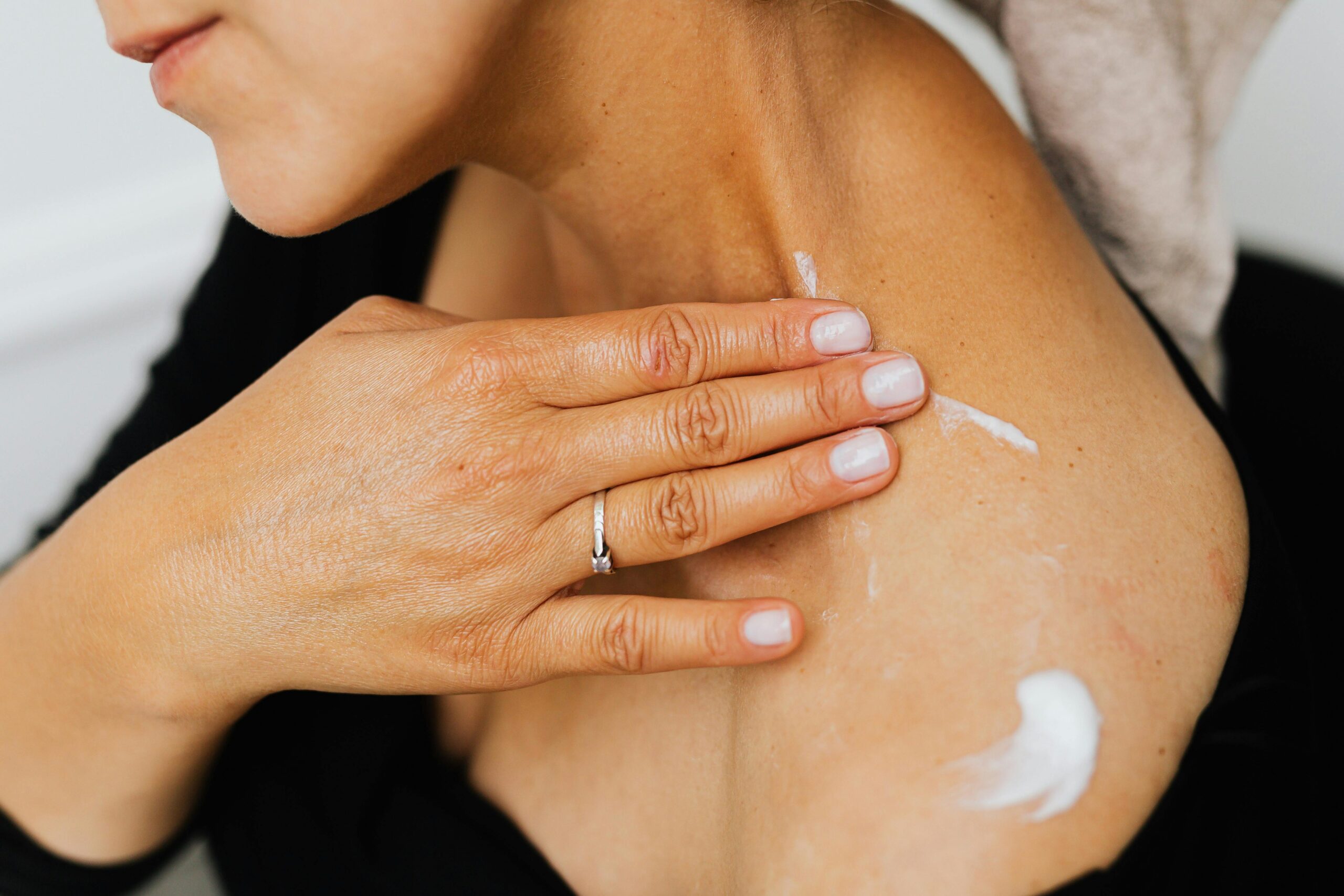
🎨 Achieving That Enviable Glow: Bringing It All Together
True skin radiance emerges from the combination of adequate water content (courtesy of humectants) and a smooth, intact surface (thanks to emollients). Neither ingredient category alone can deliver the complete package—you need both working in harmony to achieve skin that’s not just healthy but genuinely luminous.
The glow everyone seeks isn’t just about moisture—it’s about light reflection, which requires smooth texture and plump cells. Humectants provide the plumping effect while emollients create the smooth canvas that allows light to reflect evenly. When both elements are optimized, your skin naturally radiates health without requiring illuminating primers or highlighters to fake the effect.
Consistency matters more than perfection. A simple routine using affordable products with appropriate humectants and emollients for your skin type, applied consistently, will always outperform an elaborate routine with luxury products used sporadically. Focus on establishing sustainable habits rather than seeking the perfect product combination.
Remember that your skin’s needs evolve with age, hormones, climate changes, and lifestyle factors. What worked perfectly last year might need adjustment now, and that’s completely normal. Stay observant, remain flexible, and view your skincare routine as an ongoing conversation with your skin rather than a fixed protocol.
The journey to glowing skin doesn’t require choosing between humectants and emollients—it requires understanding how to use both strategically. Armed with this knowledge, you can confidently navigate product selections, create customized routines, and finally achieve the hydrated, radiant complexion that reflects your inner vitality and supports your confidence in your skin.