The world of cleansing has evolved dramatically, offering innovative solutions that transform how we care for our skin. Two powerhouses have emerged as game-changers in skincare routines worldwide.

Choosing between cleansing balms and oils can feel overwhelming, especially when both promise to deliver radiant, thoroughly cleansed skin. Understanding the unique characteristics, benefits, and best applications of each product empowers you to make informed decisions that align perfectly with your skin’s specific needs and lifestyle preferences.
🧴 Understanding the Science Behind Cleansing Balms
Cleansing balms represent a sophisticated approach to skincare, combining solid textures with powerful cleansing capabilities. These products typically start as solid or semi-solid formulations that transform into luxurious oils upon contact with your skin’s natural warmth.
The magic lies in their composition. Most cleansing balms contain a blend of nourishing oils, emulsifiers, and sometimes butters or waxes. When massaged onto dry skin, the balm melts effortlessly, binding to makeup, sunscreen, and impurities. The emulsifiers then allow the product to rinse away cleanly with water, leaving no greasy residue behind.
This dual-phase cleansing action makes balms particularly effective for removing stubborn waterproof makeup and long-wearing formulations. The solid format also offers practical advantages for travel and storage, eliminating concerns about spillage that often accompany liquid products.
💧 The Traditional Power of Cleansing Oils
Cleansing oils have been a staple in skincare routines for decades, particularly in Asian beauty traditions. These liquid formulations harness the principle that “like dissolves like” – oil-based impurities on your skin dissolve readily when met with cleansing oils.
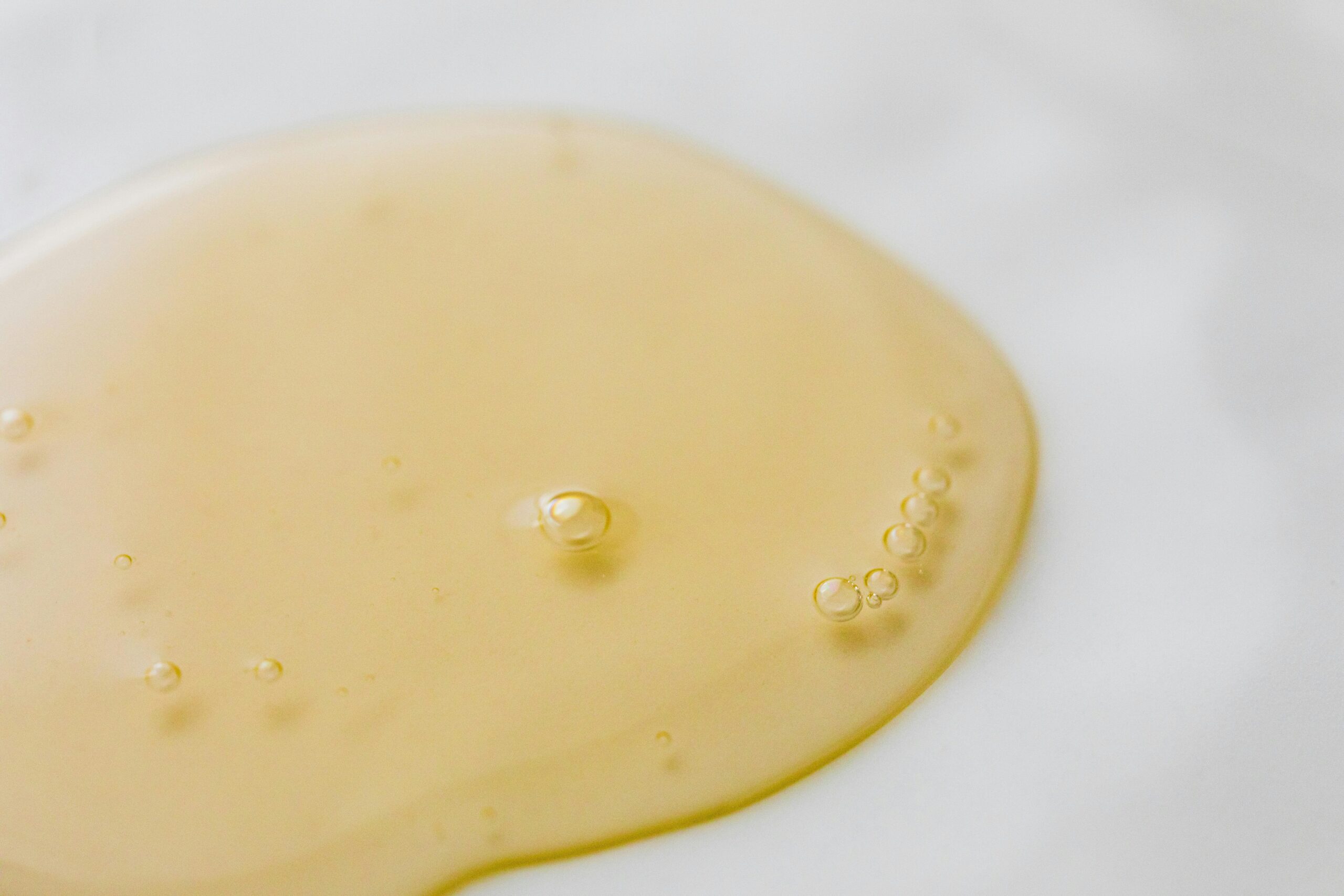
Unlike balms, cleansing oils maintain their liquid consistency throughout use. They’re typically applied to dry skin, massaged gently to break down makeup and sebum, then emulsified with water to create a milky texture that rinses away completely.
The lightweight nature of many cleansing oils makes them feel less heavy on the skin compared to balms. They often contain botanical extracts and antioxidants that provide additional skincare benefits while cleansing. The fluid texture also allows for easier application across larger areas of skin.
🔬 Key Differences in Formulation and Texture
The fundamental distinction between cleansing balms and oils begins with their physical state. Balms solidify due to ingredients like shea butter, beeswax, or plant-derived waxes that give them structure. Oils remain liquid thanks to their composition of various plant oils and emulsifying agents.
Texture preferences play a significant role in product selection. Some individuals love the sensory experience of warming a solid balm between their hands and feeling it transform. Others prefer the immediate glide of an oil across their skin without any preliminary warming step.
The concentration of active ingredients can also vary. Cleansing balms often contain higher percentages of nourishing butters and thicker oils, while cleansing oils may incorporate lighter oils that feel less substantial but spread more easily.
✨ Performance Comparison: Which Cleanses Better?
When it comes to pure cleansing power, both products excel at removing makeup, sunscreen, and daily grime. However, their effectiveness can vary depending on what you’re trying to remove and your application technique.
Cleansing balms typically demonstrate superior performance with heavy, waterproof makeup. The thicker consistency allows for more concentrated contact time with stubborn products. Many users find that balms require less product and fewer passes across the skin to achieve complete removal.
Cleansing oils shine in their ability to cleanse without feeling heavy or overwhelming. They work exceptionally well for daily cleansing when you’re not wearing heavy makeup. The lighter texture also makes double cleansing routines feel less laborious.
🌟 Best Skin Types for Cleansing Balms
Cleansing balms offer particular advantages for certain skin types and conditions. Dry and mature skin types often find balms incredibly nourishing, as the rich formulations provide extra hydration while cleansing.
If you have normal to dry skin that feels tight after cleansing, balms can revolutionize your routine. The emollient-rich formulas help maintain your skin’s moisture barrier, preventing the stripped feeling that traditional cleansers sometimes create.
Surprisingly, many balms also work beautifully for combination skin. The key is choosing formulations with balanced oil profiles that cleanse thoroughly without leaving excessive residue in your T-zone.
Considerations for Sensitive Skin
Those with sensitive skin should approach cleansing balms carefully. While many formulations are gentle, some contain fragrances or essential oils that may trigger reactions. Always patch test and look for balms specifically formulated for sensitive skin types.
💚 Ideal Candidates for Cleansing Oils
Cleansing oils demonstrate versatility across multiple skin types, but they particularly benefit oily and acne-prone skin. Contrary to popular belief, adding oil to oily skin doesn’t necessarily create more oil – the right cleansing oils can actually help regulate sebum production.
The lightweight nature of most cleansing oils makes them less likely to clog pores when properly formulated with non-comedogenic ingredients. Many contain oils like jojoba or grapeseed that closely mimic skin’s natural sebum, helping to balance oil production rather than exacerbate it.
Combination skin types often appreciate cleansing oils for their ability to address both dry and oily areas without overwhelming either zone. The fluid consistency distributes evenly across all skin areas, providing consistent cleansing without heavy buildup.
Temperature and Climate Considerations
Living in humid or warm climates? Cleansing oils might feel more comfortable than balms, which can seem too heavy in high heat. The lighter texture and quick absorption make them ideal for year-round use in tropical environments.
🎯 Ingredient Spotlight: What to Look For
Understanding ingredient lists helps you select the most beneficial product for your needs. Both cleansing balms and oils contain oils as their foundation, but the specific types matter tremendously.
In cleansing balms, look for nourishing ingredients like:
- Shea butter or cocoa butter for intense moisture
- Vitamin E for antioxidant protection
- Ceramides to support skin barrier function
- Plant oils like sweet almond or sunflower seed oil
- Quality emulsifiers like PEG-20 glyceryl triisostearate
For cleansing oils, prioritize formulations containing:
- Lightweight oils such as grapeseed or safflower oil
- Jojoba oil for sebum regulation
- Antioxidant-rich oils like rosehip or argan
- Green tea extract for soothing properties
- Gentle emulsifiers that rinse clean without residue
⚠️ Ingredients to Avoid
Regardless of which format you choose, certain ingredients deserve caution. Mineral oil, while not inherently harmful, can feel heavy and may not suit everyone. Synthetic fragrances can irritate sensitive skin, so fragrance-free options often prove safer.
Essential oils, though natural, can trigger reactions in sensitive individuals. If you have reactive skin, opt for products without added fragrances, whether natural or synthetic.
Watch for potential allergens specific to your known sensitivities. Tree nut oils, for instance, may pose problems for those with nut allergies, though topical reactions are less common than ingested reactions.
📊 Application Techniques for Maximum Results
Proper application technique significantly impacts the effectiveness of both cleansing balms and oils. Mastering the method ensures you get the most from your chosen product.
How to Use Cleansing Balms
Start with completely dry hands and a dry face. Scoop a small amount of balm – typically about a dime to quarter-sized portion – and warm it between your palms until it melts into an oil-like consistency.
Apply the melted balm across your entire face, massaging gently in circular motions. Pay special attention to areas with heavy makeup or sunscreen. Take your time – at least 60 seconds of massage allows the product to properly break down impurities.
Wet your hands with warm water and continue massaging. The balm will emulsify, turning milky white. This transformation indicates the emulsifiers are working to bind oil and water. Rinse thoroughly with warm water, ensuring no residue remains.
Proper Cleansing Oil Application
Apply cleansing oil to dry skin with dry hands. Pour a generous amount – usually two to three pumps – into your palm and smooth over your entire face, including eye areas if removing eye makeup.
Massage the oil into your skin using gentle, circular motions for at least 60 seconds. You’ll notice makeup and sunscreen dissolving as you work. The oil should glide smoothly without pulling on your skin.
Add water gradually to emulsify the oil. Your hands should still be fairly oily when you add the first splash of water. Continue massaging as the oil turns milky, then rinse completely with warm water.
🔄 Incorporating Into Your Double Cleansing Routine
Both cleansing balms and oils excel as the first step in double cleansing routines. This Korean beauty technique involves using an oil-based cleanser followed by a water-based cleanser for thorough purification.
The oil-based first cleanse removes makeup, sunscreen, and oil-based impurities. Your chosen balm or oil breaks down these substances effectively, preparing your skin for the second cleanse.
Following with a gentle water-based cleanser removes any remaining residue and addresses water-based impurities like sweat and environmental pollutants. This two-step approach ensures comprehensively clean skin without over-stripping.
💰 Value and Cost Considerations
Price points for both cleansing balms and oils vary widely, from drugstore options to luxury formulations. Consider cost per use rather than simply the purchase price when evaluating value.
Cleansing balms often last longer than oils because their solid format makes it easier to control portions. A single jar might last three to four months with daily use, offering excellent value even at higher price points.
Cleansing oils may deplete more quickly, especially if you’re generous with application. However, many effective options exist at accessible price points, making them budget-friendly for daily use.
🌍 Environmental and Packaging Considerations
Sustainability-conscious consumers should consider packaging when choosing between balms and oils. Cleansing balms typically come in jars, which are easily recyclable and often made from glass or recyclable plastic.
Cleansing oils usually come in bottles with pump dispensers. While convenient, these mixed-material packages can be more challenging to recycle. Look for brands offering refills or using recyclable packaging materials.
Some companies now offer both products in eco-friendly packaging, including aluminum containers or glass bottles with minimal plastic components. Supporting these brands encourages more sustainable practices industry-wide.
✈️ Travel-Friendliness and Convenience
For frequent travelers, cleansing balms offer distinct advantages. Their solid format eliminates concerns about liquid restrictions in carry-on luggage. The secure jar packaging prevents leaks and spills in your toiletry bag.
Cleansing oils require more careful packing for travel. Ensure bottles are tightly sealed and consider placing them in leak-proof bags. The liquid format does mean you’re limited by airline liquid restrictions for carry-on luggage.
Both products work well for gym bags and overnight trips. Consider decanting small amounts into travel-sized containers to save space and reduce the risk of losing expensive full-sized products.
🎨 Makeup Artist Perspectives and Professional Insights
Professional makeup artists often have strong preferences based on extensive experience removing various makeup formulations. Many favor cleansing balms for their ability to break down heavy stage makeup and long-wearing products without harsh rubbing.
The gentle nature of oil-based cleansing appeals to professionals concerned about preserving skin integrity. Unlike aggressive makeup wipes or harsh surfactants, both balms and oils remove makeup through dissolution rather than friction.
Many professionals keep both products on hand, selecting based on the specific makeup being removed and individual client skin needs. This flexible approach demonstrates that neither product is universally superior – context matters tremendously.
🔮 Making Your Final Decision
Choosing between cleansing balms and oils ultimately depends on your unique skin characteristics, lifestyle, and personal preferences. Both products offer excellent cleansing capabilities when properly formulated and correctly applied.
If you wear heavy makeup regularly, struggle with dry skin, or appreciate luxurious textures, cleansing balms may align better with your needs. Their rich formulations and solid format offer both effective cleansing and a spa-like experience.
Those with oily or combination skin, minimal makeup routines, or preferences for lightweight textures might find cleansing oils more suitable. The fluid consistency and quick absorption make them ideal for streamlined routines.
🌈 Why Not Both? The Seasonal Approach
Consider embracing both products, switching based on season, skin condition, or specific needs. Use richer cleansing balms during dry winter months when your skin craves extra nourishment, then transition to lighter cleansing oils in humid summer weather.
Your skin’s needs change constantly based on hormones, environment, stress, and other factors. Maintaining both products in your routine allows you to respond flexibly to these fluctuations, optimizing your cleansing approach year-round.
Some enthusiasts even combine both products, using a cleansing oil for daily gentle cleansing and reserving a cleansing balm for thorough makeup removal on special occasions. This customized approach demonstrates the versatility both products offer.
🎁 Transforming Your Skincare Journey
Whether you choose cleansing balms, oils, or incorporate both into your routine, embracing oil-based cleansing represents a significant upgrade from traditional harsh cleansers. These gentle yet effective products respect your skin’s natural barrier while providing thorough purification.
The journey to finding your perfect cleansing match involves experimentation and patience. Listen to your skin’s feedback, observe how different products affect your complexion, and adjust accordingly. What works beautifully for someone else might not suit your unique skin chemistry.
Remember that skincare is deeply personal and should bring joy to your daily routine. Select products that feel wonderful to use, make your skin happy, and align with your values. The best cleansing product is ultimately the one you’ll use consistently with pleasure and see real results from in your mirror.