Exfoliants can transform your skin, but they can also cause irritation if not introduced properly. Patch testing is your safety net before committing to a new product.

Whether you’re a skincare novice or a seasoned enthusiast, understanding how to properly test exfoliants can save you from painful reactions, wasted money, and damaged skin barriers. The excitement of trying a new chemical or physical exfoliant should always be tempered with caution and proper testing protocols.
Why Patch Testing Exfoliants Isn’t Optional ✨
Exfoliants work by removing dead skin cells from the surface layer of your skin, revealing fresher, brighter skin underneath. However, this process can be aggressive, especially if you have sensitive skin or if the product contains high concentrations of active ingredients.
Patch testing serves as your personal safety trial. It allows you to identify potential allergic reactions, irritation, or sensitivity before applying a product to your entire face. This simple step can prevent severe reactions that might take weeks or months to heal.
The consequences of skipping patch tests can be severe. Dermatologists regularly see patients with chemical burns, contact dermatitis, and compromised skin barriers from products that weren’t properly tested first. A five-minute patch test could save you weeks of recovery time.
Understanding Different Types of Exfoliants 🔬
Before diving into patch testing procedures, it’s essential to understand what you’re testing. Exfoliants fall into two main categories, each with distinct characteristics and potential reactions.
Chemical Exfoliants: The Invisible Workers
Chemical exfoliants use acids or enzymes to dissolve the bonds between dead skin cells. These include:
- Alpha Hydroxy Acids (AHAs) like glycolic acid, lactic acid, and mandelic acid – water-soluble and ideal for dry or sun-damaged skin
- Beta Hydroxy Acids (BHAs) such as salicylic acid – oil-soluble and perfect for acne-prone or oily skin
- Polyhydroxy Acids (PHAs) including gluconolactone and lactobionic acid – gentler alternatives with larger molecular structures
- Enzyme Exfoliants from fruits like papaya and pineapple – protein-digesting enzymes that work gently
Each chemical exfoliant requires specific patch testing considerations based on its pH level, concentration, and your skin’s tolerance. Higher concentrations and lower pH levels typically indicate stronger formulations that warrant extra caution.
Physical Exfoliants: The Mechanical Approach
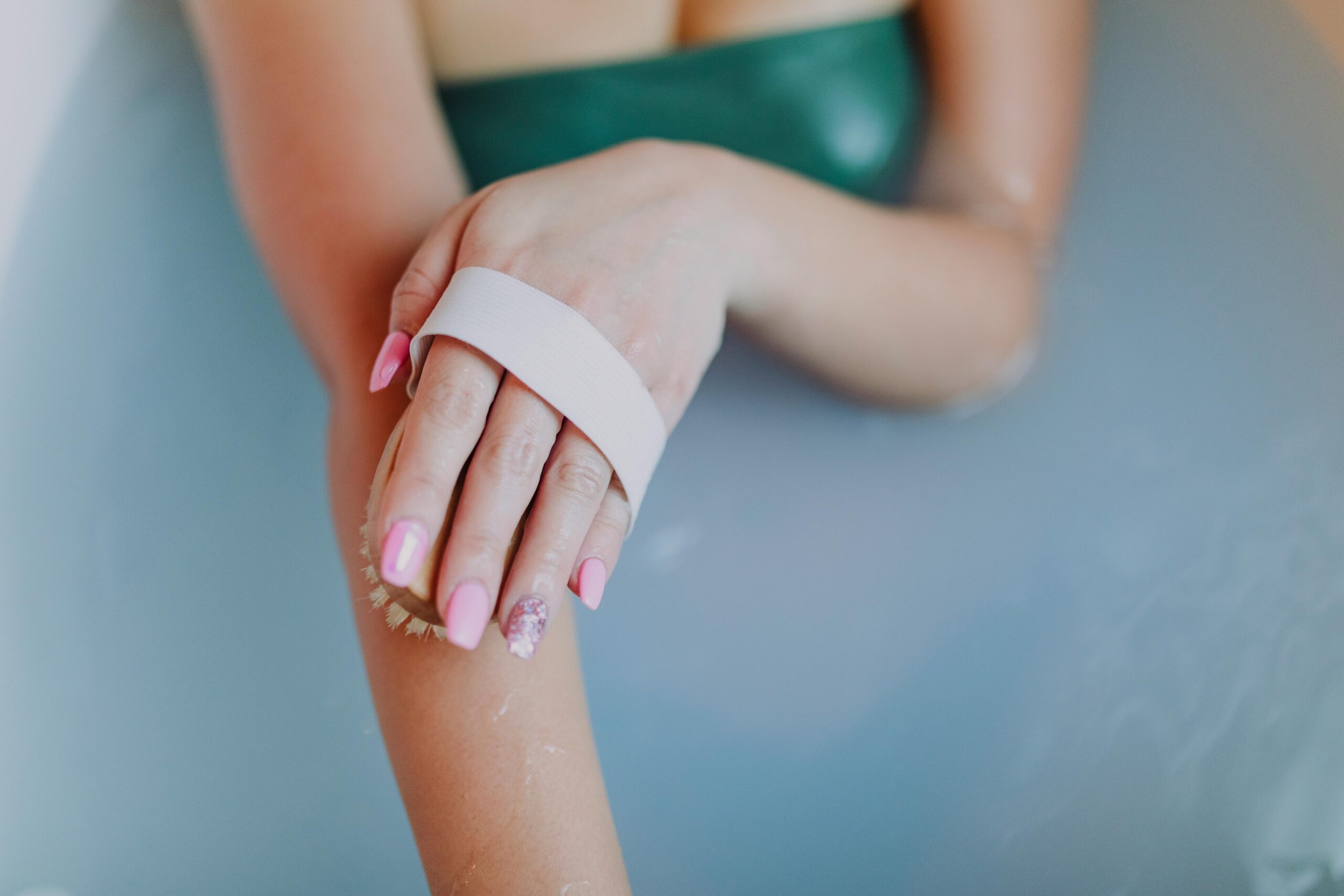
Physical exfoliants use granular particles or tools to manually slough away dead skin. These include scrubs with jojoba beads, sugar, salt, ground nuts, or exfoliating brushes and cloths.
While physical exfoliants might seem less risky than chemical ones, they can still cause micro-tears, irritation, and inflammation if too abrasive. Patch testing helps you assess both the particle size and your skin’s mechanical sensitivity.
The Complete Patch Testing Protocol 📋
Proper patch testing follows a methodical approach that maximizes safety while providing accurate results about how your skin will respond to a new exfoliant.
Step One: Choose Your Testing Location
Select an area of skin that’s similar in sensitivity to where you’ll eventually apply the product. For facial exfoliants, the inner forearm or behind the ear work well. These locations are discreet yet sensitive enough to reveal potential reactions.
Avoid testing on already irritated, sunburned, or broken skin, as this will give you inaccurate results and potentially worsen existing conditions.
Step Two: Prepare the Test Area
Cleanse the test area with a gentle, unscented cleanser and pat completely dry. Wait at least 15 minutes to ensure your skin has returned to its natural pH and isn’t temporarily sensitized from cleansing.
Make sure the area is free from other products, lotions, or treatments that could interfere with the test results or create unexpected reactions when combined with the exfoliant.
Step Three: Apply the Exfoliant
Apply a small amount of the exfoliant to your test area – roughly the size of a dime. For chemical exfoliants, follow the product’s instructions regarding application time. For physical exfoliants, use gentle circular motions for about 30 seconds.
Don’t wash the area immediately unless the product instructions specify to do so. Many chemical exfoliants are designed to be left on the skin, and testing should replicate your intended usage.
Step Four: Monitor and Wait ⏰
This is where patience becomes crucial. Monitor the test area for at least 24 hours, though 48-72 hours provides more comprehensive results. Check for any signs of:
- Redness or inflammation
- Itching or burning sensations
- Swelling or raised bumps
- Excessive dryness or flaking
- Rash or hives
- Any unusual discomfort
Keep a simple journal or take photos at 24, 48, and 72-hour intervals. Some reactions develop slowly, and documentation helps you track subtle changes that might otherwise go unnoticed.
Interpreting Your Patch Test Results 🔍
Understanding what your skin is telling you requires careful observation and honest assessment. Not all reactions mean you must abandon the product entirely, but some definitely warrant immediate discontinuation.
Green Light: Safe to Proceed
If your test area shows no reaction after 72 hours – no redness, irritation, itching, or discomfort – you’ve received clearance to use the product. However, start slowly when introducing it to your full routine.
Even with successful patch tests, begin with once or twice weekly application rather than daily use. This gradual introduction allows your skin to build tolerance without overwhelming it.
Yellow Light: Proceed with Extreme Caution
Mild tingling or slight temporary redness that resolves within an hour might be acceptable for certain chemical exfoliants, particularly those with active ingredients designed to stimulate the skin.
However, if you experience mild persistent redness or slight discomfort, consider reducing the concentration, frequency, or contact time. You might also try applying the product over moisturizer to buffer its intensity.
Red Light: Stop Immediately 🛑
Severe reactions including intense burning, immediate welts, persistent redness lasting hours, swelling, or rash indicate the product is unsuitable for your skin. Wash it off immediately with lukewarm water and apply a gentle, fragrance-free moisturizer.
If symptoms persist or worsen, consult a dermatologist. Never attempt to use a product that caused a severe patch test reaction, even in reduced amounts or frequencies.
Special Considerations for Different Skin Types 💚
Your skin type significantly influences how you should approach patch testing and which exfoliants are most likely to suit your needs.
Sensitive Skin Warriors
If you have sensitive skin, extend your patch testing period to a full week. Your skin may develop delayed reactions that don’t appear in the standard 72-hour window. Consider testing new exfoliants during a low-stress period when your skin is at its baseline.
Start with the gentlest options first: PHAs, low-percentage lactic acid, or enzyme exfoliants. Avoid combining new exfoliants with other active ingredients during the testing and introduction phases.
Acne-Prone and Oily Skin
While your skin might tolerate stronger exfoliants, you’re still vulnerable to irritation and barrier damage. Over-exfoliation can actually trigger more oil production and breakouts as your skin tries to compensate for stripped moisture.
Patch test salicylic acid products carefully, as BHAs can sometimes cause purging – an initial breakout phase as congestion is brought to the surface. This differs from a true allergic reaction but should still be monitored closely.
Dry and Mature Skin
Your skin may show delayed reactions as it’s often slower to reveal irritation but quicker to experience moisture barrier damage. Pay special attention to how the test area feels rather than just how it looks – tightness and discomfort matter.
AHAs like lactic and mandelic acid typically work beautifully for dry skin types, but always follow exfoliation with robust hydration during patch testing to assess the complete experience.
Common Patch Testing Mistakes to Avoid ⚠️
Even well-intentioned skincare enthusiasts make errors that compromise their patch test results. Avoid these common pitfalls for accurate, reliable testing.
Never test multiple new products simultaneously. If you’re patch testing a new exfoliant, that should be the only new product you’re evaluating. Otherwise, you won’t know which product caused any potential reaction.
Don’t conduct patch tests right before important events. If you have a wedding, job interview, or vacation coming up, wait until afterwards. Patch testing occasionally reveals unflattering reactions that need time to resolve.
Avoid testing during hormonal fluctuations if possible. The week before menstruation often brings increased skin sensitivity. While not always avoidable, being aware of this factor helps you interpret results more accurately.
Don’t assume “natural” means safe. Natural ingredients can be highly irritating or allergenic. Fruit enzymes, essential oils, and botanical extracts require the same rigorous patch testing as synthetic ingredients.
Building Your Exfoliant Routine Post-Testing 🌟
Successfully passing a patch test is just the beginning. Integrating the exfoliant into your routine requires strategy and continued vigilance.
The Slow Introduction Method
Start with once-weekly application for two weeks. If your skin responds well with no irritation, increase to twice weekly for another two weeks. Gradually build up to your target frequency based on the product recommendations and your skin’s response.
Always apply exfoliants to clean, dry skin unless product instructions specify otherwise. Follow with appropriate moisturizers and, during daytime routines, broad-spectrum SPF – exfoliants increase sun sensitivity significantly.
Monitoring Long-Term Tolerance
Your skin’s tolerance can change over time due to weather, stress, hormones, medications, and other factors. What works perfectly in humid summer months might prove too harsh during dry winter conditions.
Periodically reassess your skin’s response. If you notice increased sensitivity, dryness, or irritation even weeks or months after introduction, scale back frequency or take a break to allow your skin barrier to recover.
When Professional Guidance Becomes Essential 👨⚕️
While patch testing at home provides valuable information, certain situations warrant professional dermatological consultation before proceeding with exfoliants.
If you have active skin conditions like eczema, psoriasis, rosacea, or seborrheic dermatitis, consult your dermatologist before introducing exfoliants. These conditions require specialized care, and improper exfoliation can trigger severe flares.
Pregnant or breastfeeding individuals should discuss exfoliant safety with healthcare providers. While many exfoliants are considered safe, some ingredients warrant caution during these periods.
Anyone using prescription topical medications including retinoids, benzoyl peroxide, or other active treatments should coordinate exfoliant introduction with their prescribing physician to avoid dangerous interactions or over-treatment.
Your Skin’s Safety Deserves This Investment of Time ⏳
The few days spent properly patch testing exfoliants represent a minimal investment compared to the weeks or months of recovery time a bad reaction might require. This simple precaution protects not just your skin’s appearance but its health and function.
Think of patch testing as insurance for your face. You wouldn’t skip insurance on valuable possessions, and your skin is literally your largest organ and most visible asset. The peace of mind that comes from knowing a product is safe for your unique skin chemistry is invaluable.
Remember that skincare is deeply personal. What works wonderfully for influencers, friends, or family members might be completely unsuitable for your skin. Patch testing provides personalized data that no review or recommendation can match.
Creating Your Personal Patch Testing Toolkit 🧰
Establishing a systematic approach to patch testing makes the process easier each time you introduce a new exfoliant. Keep these essentials on hand:
- A skincare journal or smartphone app for tracking tests and results
- Camera or smartphone for documenting visual changes
- Gentle, fragrance-free cleanser for the test area
- Soothing recovery products like ceramide moisturizers or centella creams
- Calendar or reminder system to check test areas at appropriate intervals
Document everything: product name, concentration of active ingredients, exact location of test area, application method, and detailed observations at each checkpoint. This information becomes invaluable when comparing products or consulting with skincare professionals.
Embracing Patience for Lasting Results 🌱
In an era of instant gratification and rapid results, patch testing requires old-fashioned patience. This waiting period might feel tedious when you’re excited about a promising new product, but it’s protecting your skin’s long-term health and appearance.
Consider that rushing into product use without proper testing can set your skincare goals back by months. A damaged moisture barrier, persistent irritation, or allergic reaction might prevent you from using any exfoliants until fully healed – far longer than the few days patch testing requires.
The most beautiful, healthy skin comes from consistent, careful practices rather than aggressive, rushed approaches. Patch testing embodies this philosophy perfectly, prioritizing safety and sustainability over immediate visible changes.
Your future self will thank you for taking these precautions. Happy, healthy skin that glows with vitality is worth every minute of careful testing and gradual introduction. By making patch testing a non-negotiable part of your skincare routine, you’re investing in decades of comfortable, beautiful skin rather than chasing quick fixes that might cause lasting damage.
Start your patch testing journey today, and discover exfoliants that truly work for your unique skin with confidence and peace of mind. Your skin deserves this level of care and attention. 💙