In the ever-evolving world of skincare, gentle yet effective exfoliation has become the holy grail for those seeking luminous, healthy skin without irritation.

While alpha hydroxy acids (AHAs) and beta hydroxy acids (BHAs) have dominated the exfoliation conversation for years, a gentler alternative has been quietly transforming complexions: polyhydroxy acids, or PHAs. These larger-molecule exfoliants offer all the glow-inducing benefits of their chemical cousins but with a noticeably softer, more skin-friendly approach that’s revolutionizing how we think about resurfacing treatments.
Understanding PHAs: The Gentle Giants of Chemical Exfoliation 🌟
Polyhydroxy acids represent the next generation of chemical exfoliants, designed specifically for those who want results without the redness, sensitivity, or downtime often associated with traditional acids. These molecular marvels work on the surface layers of skin, gently dissolving the bonds between dead skin cells to reveal the fresh, radiant complexion underneath.
What makes PHAs truly special is their molecular structure. With larger molecules than AHAs like glycolic acid or lactic acid, PHAs penetrate the skin more slowly and superficially. This measured approach means less irritation potential while still delivering impressive exfoliation benefits. Think of it as the difference between sprinting and taking a leisurely walk—you’ll still reach your destination, but the journey is far more comfortable.
The Science Behind the Softness
The key players in the PHA family include gluconolactone, lactobionic acid, and galactose. Each brings unique properties to the table, but they all share that characteristic gentle touch. Their multiple hydroxyl groups not only slow down penetration but also act as humectants, drawing moisture into the skin even as they exfoliate.
This dual-action approach sets PHAs apart from other chemical exfoliants. While traditional AHAs can sometimes leave skin feeling temporarily dry or tight, PHAs actually help maintain the skin’s moisture barrier throughout the exfoliation process. It’s like having your cake and eating it too—effective exfoliation without compromising hydration.
Who Benefits Most from PHA Exfoliation?
PHAs have earned their reputation as the universal exfoliant, suitable for virtually every skin type and concern. However, certain individuals will find them particularly transformative for their skincare routines.
Those with sensitive skin often feel left out of the exfoliation conversation, watching from the sidelines as others tout the benefits of potent acids. PHAs change this narrative entirely. Their gentle nature makes them ideal for reactive skin types, rosacea-prone individuals, and anyone who has experienced irritation from traditional exfoliants in the past.
Mature skin also benefits tremendously from PHA formulations. As we age, our skin becomes thinner and potentially more reactive. PHAs provide the anti-aging benefits of exfoliation—including improved texture, reduced fine lines, and enhanced cellular turnover—without the risk of compromising already-delicate skin.
Perfect for Compromised Skin Barriers
If you’ve over-exfoliated in the past, dealt with environmental damage, or simply have a weakened moisture barrier, PHAs offer a path back to healthy skin. They work to restore barrier function while simultaneously improving skin texture, making them ideal for repair-focused skincare regimens.
Even those dealing with conditions like eczema or dermatitis may find PHAs more tolerable than other exfoliating options, though it’s always wise to consult with a dermatologist before introducing new actives to compromised skin.
The Multifaceted Benefits of Incorporating PHAs ✨
Beyond their reputation for gentleness, PHAs deliver an impressive array of skin benefits that extend far beyond basic exfoliation. Understanding these advantages helps explain why dermatologists and skincare enthusiasts alike are increasingly embracing these versatile ingredients.
Enhanced Hydration and Moisture Retention
Unlike exfoliants that can strip moisture, PHAs actually function as humectants. They attract and bind water molecules to the skin’s surface, creating a plumping effect that diminishes the appearance of fine lines and leaves skin looking dewy and refreshed. This hydrating property makes PHAs particularly valuable in climates with low humidity or during harsh winter months when skin tends toward dryness.
Powerful Antioxidant Protection
Many PHAs, particularly gluconolactone and lactobionic acid, possess significant antioxidant capabilities. They help neutralize free radicals generated by UV exposure, pollution, and other environmental stressors. This protective function not only prevents future damage but also supports the skin’s natural repair processes, contributing to a healthier, more resilient complexion over time.
Improved Texture and Tone
Regular PHA use gradually refines skin texture, smoothing rough patches and minimizing the appearance of enlarged pores. The gentle exfoliation reveals fresh skin cells, creating a more even surface that reflects light better—the essence of that coveted radiant glow. Additionally, PHAs help fade post-inflammatory hyperpigmentation and sun spots through consistent cellular turnover without causing the irritation that might worsen pigmentation issues.
How to Incorporate PHAs Into Your Skincare Routine
Successfully integrating PHAs into your regimen requires understanding both your skin’s needs and how these ingredients interact with other products. The good news? PHAs are remarkably user-friendly and versatile.
Start by selecting the right product format for your lifestyle and preferences. PHAs appear in cleansers, toners, serums, moisturizers, and even masks. Beginners often find success with leave-on treatments like toners or serums, which allow the ingredient adequate contact time with skin without the learning curve of rinse-off products.
Starting Your PHA Journey
Even though PHAs are gentle, introducing them gradually allows your skin to adapt and helps you gauge your individual tolerance. Begin with applications two to three times per week, preferably in your evening routine. As your skin acclimates—typically within two to three weeks—you can increase frequency to nightly use if desired.
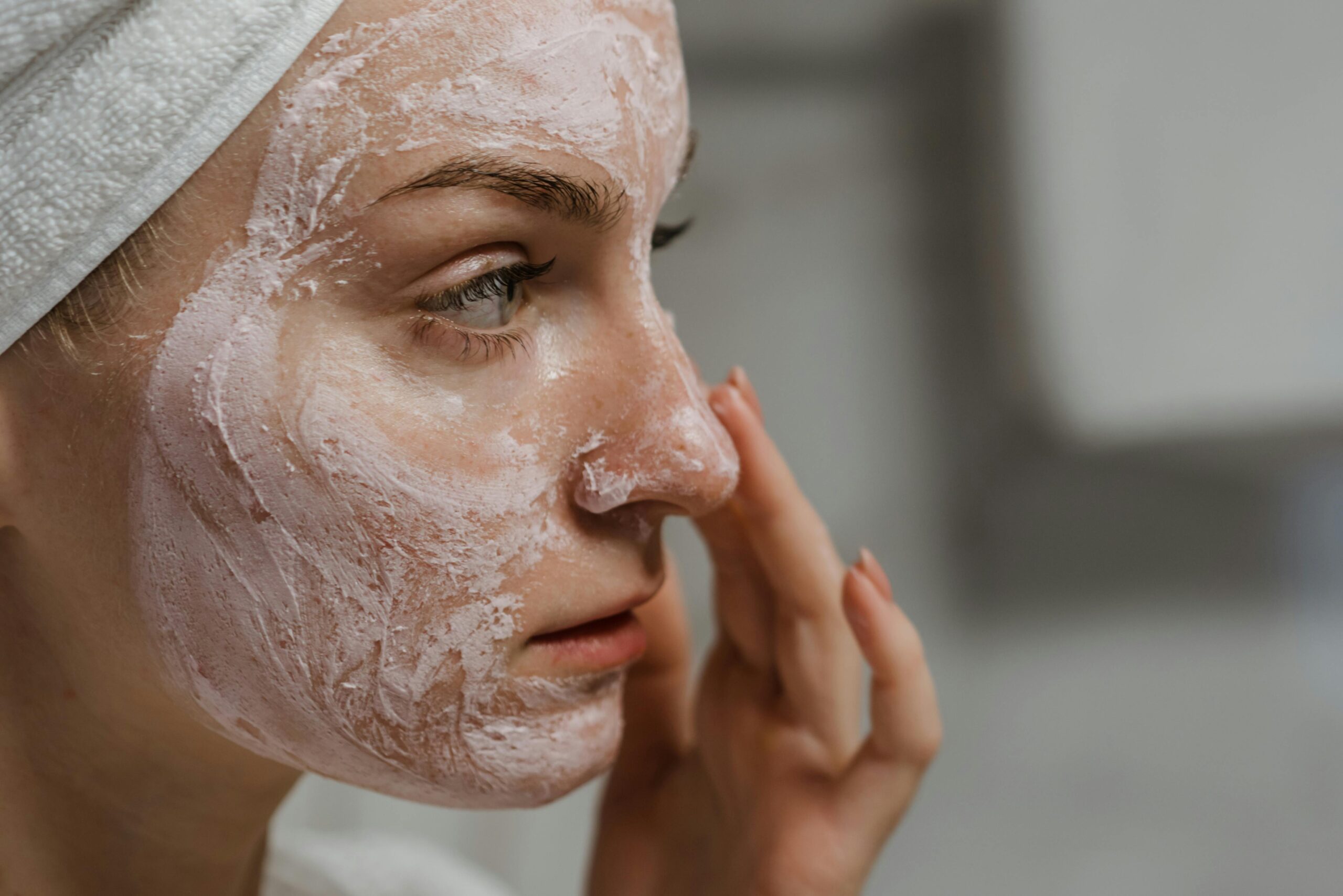
Apply PHA products to clean, dry skin. If using a PHA toner, dispense onto a cotton pad or directly into hands and gently press into skin. For serums, use 2-3 drops and distribute evenly across face and neck. Always follow with a moisturizer to lock in the hydrating benefits and support your skin barrier.
Layering PHAs with Other Actives
One of PHAs’ greatest advantages is their compatibility with other skincare ingredients. Unlike some exfoliants that don’t play well with others, PHAs can often be combined with various actives to create a comprehensive routine.
They pair beautifully with hyaluronic acid, niacinamide, and peptides, as these ingredients complement rather than compete with PHA action. You can even combine PHAs with retinoids, though this should be approached cautiously and ideally under professional guidance. If you’re using both, consider applying them at different times—PHAs in the morning and retinoids at night, for example.
The one combination to approach with caution is using PHAs alongside other exfoliants like AHAs, BHAs, or physical scrubs. While PHAs are gentle, over-exfoliation remains a real risk when stacking multiple exfoliating ingredients. Unless specifically formulated together in a single product, it’s generally best to alternate days or use them at different times.
PHA Product Formulations: What to Look For 🔍
Not all PHA products are created equal. Understanding what makes an effective formulation helps you choose products that will deliver results while maintaining that signature gentleness.
Concentration matters, though with PHAs, more isn’t necessarily better. Effective concentrations typically range from 4% to 10%, with some professional treatments going higher. For daily use, products in the 4-8% range usually provide optimal benefits without overwhelming skin.
Complementary Ingredients
The best PHA formulations include supportive ingredients that enhance their benefits. Look for products that combine PHAs with:
- Ceramides and fatty acids to reinforce barrier function
- Soothing agents like allantoin, bisabolol, or centella asiatica to calm any potential sensitivity
- Additional humectants like glycerin or sodium hyaluronate for extra hydration
- Antioxidants such as vitamin E or green tea extract to boost protective benefits
- Brightening ingredients like niacinamide for enhanced radiance
Product pH Considerations
While PHAs work across a broader pH range than AHAs, formulation pH still impacts effectiveness. Products with a pH between 3.5 and 4.5 tend to provide the best balance of efficacy and gentleness. Some brands list pH on packaging or websites, but it’s not always disclosed. Reading reviews from users with similar skin concerns can provide helpful insights into a product’s performance.
Comparing PHAs to Other Chemical Exfoliants
Understanding how PHAs stack up against their more famous cousins helps clarify when each type of exfoliant might be most appropriate for your needs.
AHAs, including glycolic and lactic acid, penetrate more deeply and work more quickly than PHAs. This makes them excellent for targeting specific concerns like stubborn hyperpigmentation or significant sun damage. However, this intensity comes with increased irritation potential, sun sensitivity, and a higher risk of barrier compromise if overused.
BHAs, primarily salicylic acid, are oil-soluble and excel at penetrating pores, making them ideal for oily, acne-prone skin. They offer anti-inflammatory benefits that PHAs don’t provide to the same degree. However, they can be drying and may not be suitable for sensitive or dry skin types.
PHAs occupy a unique middle ground. They deliver many of the same benefits—improved texture, enhanced radiance, reduced fine lines—but with substantially less risk of irritation, increased sun sensitivity, or barrier disruption. For this reason, they’re often recommended as a starting point for exfoliation newcomers or as a maintenance option for those who’ve experienced irritation from stronger acids.
Real Results: What to Expect from PHA Use 💫
Setting realistic expectations helps you appreciate the gradual transformation PHAs provide. Unlike more aggressive treatments that might show dramatic results quickly (often accompanied by peeling or irritation), PHAs work steadily and cumulatively.
Within the first two weeks, most users notice improved hydration and a subtle increase in skin softness. The surface feels smoother, and makeup application may become easier. By week four, texture improvements become more apparent. Rough patches diminish, and overall skin tone appears more even.
After consistent use for six to eight weeks, the full benefits of PHA exfoliation typically manifest. Fine lines appear softer, pores look refined, and that coveted radiant glow emerges. Hyperpigmentation begins fading, and the complexion looks fresher and more youthful overall.
Long-Term Benefits
The true magic of PHAs reveals itself with sustained use. Over months and years, regular PHA exfoliation supports optimal cellular turnover, helping skin function at its best regardless of age. The antioxidant protection accumulates, potentially slowing visible signs of aging. The moisture-retaining properties help maintain suppleness and prevent the dehydration that contributes to premature wrinkles.
Many long-term PHA users report that their skin becomes more resilient and less reactive over time, suggesting that the barrier-supportive properties create lasting improvements in skin health.
Common Questions and Troubleshooting
Even with gentle PHAs, questions and concerns occasionally arise. Addressing common scenarios helps ensure your PHA journey remains smooth and successful.
If you experience any tingling or warmth when first using PHAs, don’t panic—this is often normal, especially if your skin is new to chemical exfoliation. However, this sensation should be mild and transient. Persistent stinging, burning, or visible redness suggests you should reduce frequency or discontinue use and consult a skincare professional.
When PHAs Aren’t Enough
While PHAs work beautifully for many concerns, some skin issues require stronger intervention. Severe acne, deep wrinkles, or significant sun damage might benefit from combining PHAs with other treatments or graduating to stronger exfoliants under professional supervision. PHAs can still play a role in these routines, perhaps as a gentle maintenance option between more intensive treatments.
Pregnancy and PHA Safety
PHAs are generally considered safe during pregnancy and breastfeeding, making them valuable options when many other actives are restricted. However, as with any skincare ingredient during this time, consulting your healthcare provider ensures personalized guidance for your specific situation.
Making PHAs Part of Your Glow Strategy 🌸
Achieving radiant skin isn’t about using the strongest or most aggressive treatments—it’s about finding ingredients that work harmoniously with your unique skin while delivering consistent results. PHAs embody this philosophy perfectly.
Their gentle approach doesn’t mean compromised results; rather, it represents a sustainable path to the luminous, healthy complexion you’re seeking. By respecting your skin’s needs while still encouraging renewal and improvement, PHAs offer the best of both worlds.
Consider PHAs your skin’s patient ally in the journey toward radiance. They won’t demand tolerance or push your skin to its limits. Instead, they work quietly and consistently, supporting your skin’s natural processes while gradually revealing its most beautiful, healthy version. This measured approach not only delivers results but helps build long-term skin health that shows in every aspect of your complexion.
Whether you’re new to exfoliation or a seasoned skincare enthusiast looking for a gentler maintenance option, PHAs deserve a place in your routine. Their unique combination of effectiveness and kindness makes them a true skincare essential—one that proves gentle doesn’t mean ineffective, and that the path to glowing skin doesn’t have to involve irritation or compromise. Embrace the soft power of PHAs, and discover how gentle exfoliation can transform your complexion while keeping your skin barrier happy, healthy, and radiant.