
Food preservation has been crucial to human survival for thousands of years. Today, preservatives play an indispensable role in modern food systems, ensuring our meals remain fresh, safe, and appetizing from production to consumption.

Understanding what preservatives are, how they work, and why they’re essential can help you make informed decisions about the food you eat. From preventing dangerous bacterial growth to maintaining the vibrant colors and flavors we expect, preservatives work behind the scenes to protect our health and enhance our culinary experiences.
🔬 What Are Food Preservatives and Why Do We Need Them?
Food preservatives are natural or synthetic substances added to food products to prevent spoilage, extend shelf life, and maintain nutritional value. Without these compounds, much of the food we enjoy daily would become unsafe or unpalatable within hours or days of production.
The primary purpose of preservatives is to inhibit the growth of microorganisms such as bacteria, molds, and yeasts that cause food to spoil. They also slow down oxidation processes that lead to rancidity, discoloration, and flavor deterioration. In our globalized food system, where products often travel thousands of miles before reaching consumers, preservatives have become essential for food safety and accessibility.
Beyond safety, preservatives help reduce food waste significantly. According to the Food and Agriculture Organization, approximately one-third of all food produced globally is wasted. Effective preservation techniques help minimize this waste by extending the time food remains consumable and nutritious.
🌿 Natural Preservatives: Ancient Wisdom Meets Modern Science
Long before synthetic compounds were developed, humans discovered natural preservation methods using ingredients readily available in their environments. These natural preservatives continue to be widely used and valued today.
Salt: The Original Preservative
Salt has been used for food preservation for millennia. It works by drawing moisture out of food through osmosis, creating an environment where bacteria cannot thrive. Salt curing remains popular for preserving meats, fish, and certain vegetables. Beyond microbial control, salt enhances flavor profiles and can improve texture in preserved foods.
Sugar: Sweet Protection
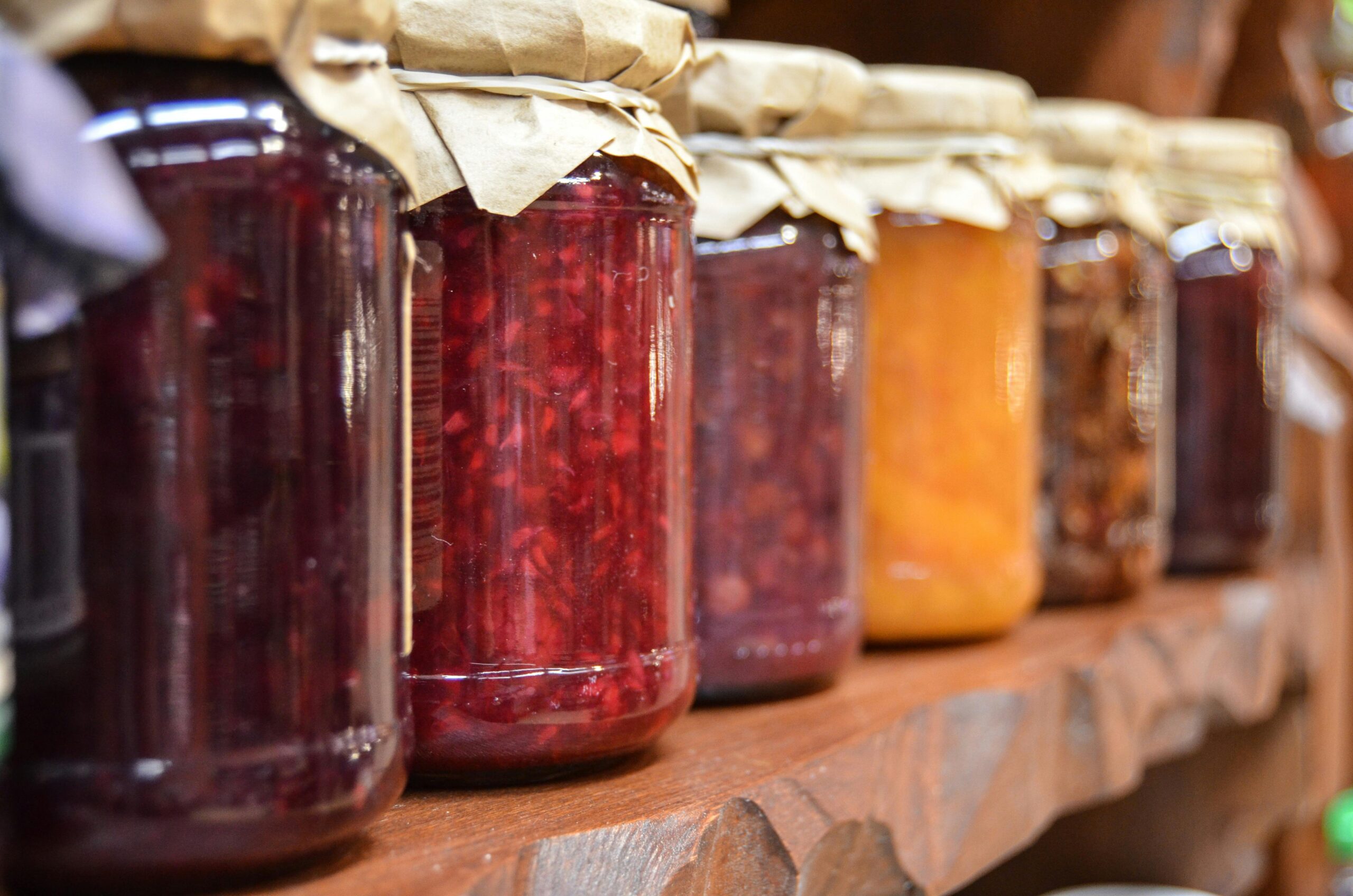
Similar to salt, sugar preserves food by reducing water activity. High sugar concentrations in jams, jellies, and preserves create conditions unfavorable for microbial growth. Sugar also binds water molecules, making them unavailable for bacteria and molds to use for reproduction.
Vinegar and Acidic Solutions
Acetic acid in vinegar lowers the pH of food, creating an acidic environment that inhibits bacterial growth. Pickling with vinegar has been practiced across cultures for centuries, preserving vegetables, fruits, and even meats. The acidic environment also adds distinctive tangy flavors that many people enjoy.
Smoke and Smoking Compounds
Smoking food not only imparts distinctive flavors but also deposits antimicrobial compounds on the surface. Wood smoke contains phenols, formaldehyde, and other substances that inhibit bacterial growth while adding the characteristic smoky taste to meats and fish.
🧪 Synthetic Preservatives: Precision and Effectiveness
Modern food science has developed synthetic preservatives that offer targeted, reliable protection against specific spoilage mechanisms. These compounds undergo rigorous safety testing before approval for use in food products.
Benzoates: Preventing Mold and Yeast
Sodium benzoate and potassium benzoate are commonly used in acidic foods like soft drinks, fruit juices, and condiments. These preservatives are particularly effective against yeasts and molds, helping maintain product quality in beverages and sauces. They work by disrupting the internal pH balance of microorganisms.
Sorbates: Broad-Spectrum Protection
Potassium sorbate and sorbic acid inhibit the growth of molds, yeasts, and some bacteria. They’re widely used in cheese, baked goods, wines, and dried fruits. Sorbates are considered among the safest preservatives and are even found naturally in some berries.
Nitrites and Nitrates: Meat Safety Champions
Sodium nitrite and sodium nitrate are crucial for preventing botulism in cured meats like bacon, ham, and sausages. They inhibit the growth of Clostridium botulinum, a bacterium that produces deadly toxins. Additionally, nitrites maintain the pink color associated with cured meats and contribute to their characteristic flavor.
Sulfites: Preserving Color and Freshness
Sulfur dioxide and various sulfite compounds prevent browning in dried fruits, wines, and some processed vegetables. They inhibit enzymatic browning and microbial growth while helping maintain vitamin C content. However, some individuals are sensitive to sulfites and must avoid foods containing them.
⚖️ The Safety Debate: Separating Facts from Fear
Food preservatives often face scrutiny and concern from consumers worried about chemical additives in their diet. Understanding the scientific reality behind preservative safety can help alleviate unnecessary fears while respecting legitimate concerns.
Regulatory agencies like the FDA in the United States, EFSA in Europe, and similar organizations worldwide rigorously evaluate preservatives before approving them for food use. These assessments involve extensive toxicology studies, including long-term consumption effects, potential allergenicity, and maximum safe usage levels.
The concept of “dose makes the poison” is fundamental to understanding preservative safety. Substances approved for food use are permitted only at levels far below those that could cause harm. Acceptable Daily Intake (ADI) values establish safe consumption limits with substantial safety margins built in.
Natural doesn’t automatically mean safer, and synthetic doesn’t mean dangerous. Some natural compounds can be toxic at high levels, while many synthetic preservatives have excellent safety profiles. The key is appropriate usage within established regulatory limits.
🍎 How Different Foods Benefit from Specific Preservatives
Different food categories face unique preservation challenges, requiring tailored preservative strategies to maintain quality and safety.
Baked Goods and Bread Products
Breads and baked goods are susceptible to mold growth due to their moisture content and nutrient density. Calcium propionate is commonly used in bread to prevent mold and bacterial growth without affecting yeast fermentation during baking. Sorbates also help extend shelf life in cakes, pastries, and other baked treats.
Dairy Products
Cheese, yogurt, and other dairy products require careful preservation to prevent spoilage while maintaining beneficial cultures. Natamycin prevents mold on cheese surfaces, while sorbates help control yeast and mold in products like cottage cheese and sour cream. Proper refrigeration works synergistically with these preservatives.
Beverages and Soft Drinks
Acidic beverages rely primarily on benzoates for preservation. The combination of low pH and benzoate preservatives effectively prevents microbial growth in fruit juices, sodas, and flavored waters. Some beverages also use ascorbic acid (vitamin C) as both a preservative and nutritional supplement.
Meat and Protein Products
Fresh meats are highly perishable and require multiple preservation strategies. Cured meats use nitrites for safety and color preservation, while refrigeration and modified atmosphere packaging provide additional protection. Ground meats may contain antioxidants like mixed tocopherols to prevent fat oxidation and rancidity.
🌍 Preservatives and Global Food Security
The role of preservatives extends beyond individual convenience to address broader challenges of feeding a growing global population. Effective food preservation is crucial for food security, especially in regions with limited refrigeration infrastructure or long supply chains.
Preservatives enable food distribution to remote areas where fresh food access is limited. They make it possible for communities far from agricultural centers to enjoy varied, nutritious diets. This distribution capacity is particularly important for delivering essential nutrients to vulnerable populations.
Reducing food waste through preservation also has significant environmental benefits. Less spoilage means fewer resources wasted in production, transportation, and disposal. The carbon footprint of food systems can be substantially reduced when products remain edible longer.
In developing nations, improved preservation technologies can transform local economies by allowing producers to reach distant markets and reduce post-harvest losses. This capability creates economic opportunities while improving food availability.
📖 Reading Labels: Understanding Preservative Information
Food labels provide essential information about preservatives, but decoding them requires some knowledge. In most countries, regulations require manufacturers to list all preservatives used in their products.
Preservatives may be listed by their common names (like “sodium benzoate”) or by E-numbers in Europe (like “E211” for sodium benzoate). These E-numbers are standardized codes that identify specific additives approved for use in the European Union.
When reading labels, look for the purpose of the preservative, often indicated by terms like “preservative,” “to maintain freshness,” or “to prevent spoilage.” Understanding why a preservative is used can help you appreciate its role in the product.
For those with sensitivities or preferences to avoid certain preservatives, careful label reading is essential. Common allergens and sensitivities include sulfites, which must be declared when present above specific thresholds.
🏠 Preservation at Home: Complementing Commercial Methods
While commercial preservatives are essential for manufactured foods, home cooks can employ various preservation techniques to extend the life of fresh ingredients and homemade creations.
Proper refrigeration remains the most accessible preservation method for home use. Maintaining temperatures below 40°F (4°C) significantly slows microbial growth and enzymatic reactions. Freezing provides even longer preservation by essentially halting biological processes.
Home canning using proper techniques creates shelf-stable foods through heat processing and sealed containers. The combination of high temperatures that kill microorganisms and airtight seals that prevent recontamination allows foods to remain safe for months or years.
Dehydration removes moisture that microorganisms need to thrive. Home dehydrators, ovens, or even sun-drying can preserve fruits, vegetables, herbs, and meats. Properly dried foods stored in airtight containers can last months.
Fermentation uses beneficial microorganisms to preserve food while creating unique flavors and textures. Sauerkraut, kimchi, yogurt, and sourdough bread are examples of fermented foods where good bacteria inhibit harmful organisms while transforming ingredients.
🔮 The Future of Food Preservation
Food preservation science continues evolving, with researchers developing innovative approaches that balance effectiveness, safety, and consumer preferences for more natural solutions.
Biopreservation uses naturally occurring antimicrobial compounds or beneficial microorganisms to protect food. Bacteriocins produced by certain bacteria, for example, can inhibit harmful pathogens while being completely natural and biodegradable.
Essential oils from plants like oregano, thyme, and cinnamon contain antimicrobial compounds that show promise as natural preservatives. Research is ongoing to optimize their use in food applications while managing their strong flavors.
Nanotechnology applications in food packaging create “active packaging” that releases preservative compounds gradually or responds to spoilage indicators. These smart packaging systems could reduce the need for preservatives directly in food while maintaining safety.
High-pressure processing (HPP) and other non-thermal technologies can extend shelf life without heat or chemical preservatives. These methods destroy microorganisms through pressure or electromagnetic fields, maintaining fresh characteristics while ensuring safety.
💡 Making Informed Choices About Preserved Foods
Understanding preservatives empowers consumers to make choices aligned with their values, health needs, and lifestyle preferences. There’s no single right answer for everyone regarding preserved versus fresh foods.
Balance and variety remain key principles of healthy eating. Preserved foods can be part of a nutritious diet when chosen thoughtfully and combined with fresh options. The convenience and safety they provide often outweigh potential concerns when used appropriately.
For those preferring to minimize synthetic preservatives, many options exist. Fresh foods, frozen products without added preservatives, and items preserved using traditional methods like fermentation offer alternatives while still providing convenience.
Consider the context of preservation in your food choices. A preserved product that prevents waste, provides essential nutrition, or makes healthy eating more convenient may be preferable to fresh food that spoils before consumption.
🎯 Embracing Preservation Science for Better Living
Food preservatives represent a triumph of human ingenuity in addressing fundamental challenges of survival and quality of life. From ancient salt preservation to modern synthetic compounds, these substances have enabled human societies to thrive and grow.
The sophisticated science behind modern preservatives reflects our deepening understanding of microbiology, chemistry, and food safety. Rigorous testing and regulation ensure that approved preservatives serve their purpose without compromising health when used as directed.
Rather than viewing preservatives with suspicion, we can appreciate their essential role in our food system. They prevent illness from foodborne pathogens, reduce waste, enable global food distribution, and help ensure that safe, delicious food is available to everyone.
By understanding how preservatives work and why they’re used, you can navigate food choices with confidence. Whether you prefer foods with natural preservatives, embrace the safety of regulated synthetic options, or mix both approaches, knowledge empowers better decisions for you and your family.
The next time you enjoy bread that stays fresh for days, savor a perfectly preserved cheese, or appreciate the safety of cured meats, remember the remarkable science working behind the scenes. Preservatives keep your food fresh, safe, and delicious—they truly deserve recognition for their essential role in modern life. ✨