Finding the perfect face mask can transform your skincare routine from ordinary to extraordinary. With countless options flooding the beauty market, understanding which mask suits your unique skin needs is essential for achieving that coveted healthy glow.

Face masks have become an indispensable part of modern skincare rituals, offering targeted treatments that address specific concerns from dullness to dehydration. Whether you’re battling excess oil, seeking hydration, or looking to revitalize tired skin, there’s a mask formulated just for you. The three most popular categories—clay masks, sheet masks, and hydrating masks—each bring unique benefits to your beauty arsenal, but knowing which one to reach for can feel overwhelming.
Understanding the Face Mask Revolution 🎭
The skincare industry has witnessed an incredible evolution in mask technology over recent years. What once was a simple mud treatment has expanded into a sophisticated category with scientifically-backed formulations designed to deliver concentrated active ingredients directly to your skin. Face masks work by creating a barrier that allows ingredients to penetrate deeper into the skin while preventing moisture loss during application.
The popularity of face masks stems from their ability to provide instant gratification alongside long-term benefits. Unlike daily cleansers or moisturizers that maintain your skin’s baseline condition, masks offer an intensive treatment that can visibly improve your complexion in a single session. This makes them perfect for special occasions, weekly self-care rituals, or whenever your skin needs an extra boost.
Clay Masks: The Deep-Cleaning Powerhouses
Clay masks have stood the test of time as one of the most effective treatments for oily and combination skin types. These earth-derived formulations work like magnets, drawing out impurities, excess sebum, and toxins from deep within your pores. The most common types include kaolin clay, bentonite clay, and French green clay, each offering slightly different properties and intensities.
Who Should Use Clay Masks? 🧱
Clay masks are particularly beneficial for individuals struggling with oily skin, enlarged pores, acne, or blackheads. The absorptive properties of clay help regulate sebum production while providing a deep cleansing action that regular face washing simply cannot achieve. If you notice your skin becoming shiny throughout the day or frequently deal with clogged pores, clay masks deserve a prominent place in your skincare routine.
However, those with dry or sensitive skin should approach clay masks with caution. The powerful oil-absorbing properties that make clay masks so effective for oily skin can potentially strip dry skin of its essential moisture barrier, leading to increased irritation and tightness.
Application Tips for Maximum Benefits
To get the most from your clay mask experience, apply it to freshly cleansed skin, avoiding the delicate eye area. Most clay masks should be left on for 10-15 minutes—just until the clay begins to dry but before it becomes completely hard and cracked. This timing is crucial because over-drying can actually irritate your skin and cause more harm than good.
Remove clay masks gently with lukewarm water and a soft cloth, using circular motions to provide light exfoliation. Always follow up with a hydrating toner and moisturizer to replenish any moisture lost during the treatment. For oily skin, once or twice weekly application is ideal, while combination skin types might benefit from spot-treating oily areas only.
Sheet Masks: The Convenient Skin Soothers ✨
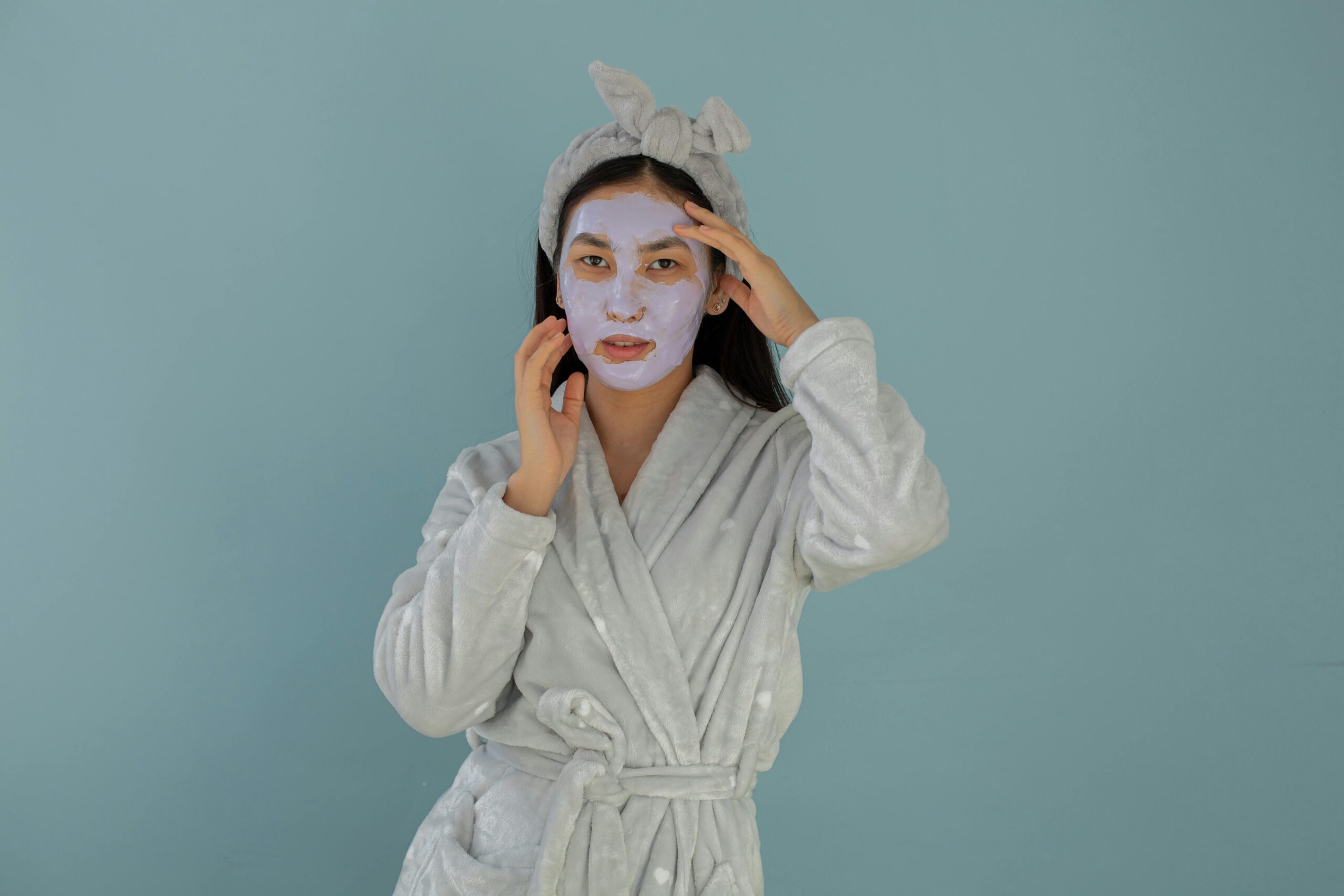
Sheet masks have taken the beauty world by storm, particularly in Asian skincare markets where they originated. These single-use masks consist of a fiber or cotton sheet saturated with serum containing various active ingredients. The sheet creates an occlusive layer that prevents the serum from evaporating, forcing ingredients deeper into the skin for enhanced absorption.
The Sheet Mask Advantage
The greatest appeal of sheet masks lies in their convenience and mess-free application. Unlike clay or cream masks that require washing off, sheet masks simply need to be applied, relaxed in, and removed. The leftover serum can be massaged into your skin, neck, and even hands, ensuring no precious product goes to waste.
Sheet masks come in an astounding variety of formulations targeting different skin concerns. You’ll find brightening masks infused with vitamin C, anti-aging formulas packed with peptides and retinol, calming masks with centella asiatica, and hydrating versions featuring hyaluronic acid. This versatility makes sheet masks suitable for virtually all skin types when you choose the appropriate formula.
Maximizing Your Sheet Mask Experience
For optimal results, store your sheet masks in the refrigerator—the cooling effect provides additional soothing benefits, particularly for inflamed or irritated skin. Apply sheet masks to clean, slightly damp skin, smoothing out any air bubbles to ensure full contact between the serum and your face. Most sheet masks should be left on for 15-20 minutes, but never allow them to dry completely on your face, as this can actually draw moisture out of your skin.
The frequency of sheet mask use depends on your skin’s needs and the specific formula. Hydrating and soothing sheet masks can generally be used daily without issue, while treatment masks containing active ingredients like acids or retinol should be limited to once or twice weekly.
Hydrating Masks: The Moisture Miracle Workers 💧
Hydrating masks, also known as sleeping masks or moisture masks, focus primarily on delivering and locking in moisture to combat dehydration. These formulations typically have a gel, cream, or balm consistency and contain humectants like hyaluronic acid, glycerin, and aloe vera that attract water to the skin, plus emollients that seal in hydration.
When Hydration Becomes Your Priority
Dehydrated skin is a condition that can affect any skin type, including oily skin. Signs include dullness, fine lines, rough texture, and tight feeling. Hydrating masks address these concerns by flooding the skin with moisture-binding ingredients that plump up skin cells, smooth texture, and restore that healthy, dewy glow everyone desires.
These masks are particularly beneficial during winter months when heating systems dry out indoor air, after flights or travel, following exfoliating treatments, or whenever your skin feels thirsty and uncomfortable. They’re gentle enough for sensitive skin and can be used more frequently than treatment masks.
Different Types of Hydrating Formulas
Overnight sleeping masks represent a popular subcategory of hydrating masks designed to be left on throughout the night. These typically have a lighter, more breathable texture that won’t transfer onto your pillowcase while working to repair and hydrate your skin during your body’s natural regeneration cycle.
Gel-based hydrating masks offer lightweight moisture perfect for oily or combination skin types who need hydration without heaviness. Cream-based versions provide richer nourishment ideal for dry or mature skin. Some innovative formulas even change texture upon application, transforming from thick creams to silky serums as they’re massaged into the skin.
Comparing the Three: Which Mask Wins? 🏆
The truth is, there’s no single “best” mask type—your ideal choice depends entirely on your current skin condition, type, and goals. Many skincare enthusiasts maintain all three types in their routines, alternating based on their skin’s changing needs throughout seasons and life circumstances.
Creating Your Personalized Mask Schedule
Consider multi-masking, a technique where different masks are applied to different facial zones simultaneously. For example, apply a clay mask to your oily T-zone while using a hydrating mask on your drier cheeks. This customized approach addresses multiple concerns in one session, maximizing efficiency and results.
A balanced weekly routine might include a clay mask on Monday for deep cleansing, sheet masks on Wednesday and Friday for targeted treatments, and a hydrating overnight mask on Sunday for intensive moisture replenishment. Adjust this schedule based on how your skin responds—the key is consistency and listening to your skin’s signals.
Ingredient Spotlight: What to Look For 🔍
Regardless of mask type, certain star ingredients deliver proven results. Hyaluronic acid holds up to 1000 times its weight in water, making it a hydration superstar. Niacinamide brightens, minimizes pores, and regulates oil production. Vitamin C provides antioxidant protection while fading dark spots and boosting radiance.
For clay masks, look for kaolin if you have sensitive skin, as it’s the gentlest option. Bentonite and rhassoul clays offer more intensive purification for oilier complexions. In sheet masks, fermented ingredients like galactomyces and bifida ferment lysate enhance absorption and efficacy. Hydrating masks benefit from ceramides and peptides that repair the skin barrier while delivering moisture.
Ingredients to Approach with Caution
While exploring face masks, be mindful of potential irritants. Artificial fragrances, though pleasant, serve no skincare purpose and can trigger sensitivity. Alcohol denat listed high in ingredient lists can be excessively drying. If you have reactive skin, avoid masks with essential oils, particularly citrus oils that can cause photosensitivity.
Always patch test new masks on a small area of your jawline or neck before applying to your entire face. This simple step can prevent widespread reactions and help you identify products that don’t agree with your skin chemistry.
The Glow-Boosting Ritual: Pre and Post-Mask Care 🌟
The effectiveness of any face mask increases dramatically when preceded and followed by appropriate skincare steps. Begin with a thorough double cleanse to remove makeup, sunscreen, and surface impurities—this ensures your mask can penetrate effectively rather than sitting atop a layer of dirt and oil.
Consider using a gentle exfoliant before applying treatment masks. Chemical exfoliants like lactic acid or enzyme-based options remove dead skin cells, creating a clear pathway for mask ingredients to absorb more deeply. However, never exfoliate before using a clay mask on the same day, as this combination can be too harsh for most skin types.
Post-Mask Layering Strategy
After removing your mask, your skin is primed to absorb subsequent products with enhanced efficiency. This is the perfect time to apply serums containing active ingredients like retinol, vitamin C, or peptides. Follow with your regular moisturizer to seal in all the benefits and create a protective barrier that maintains hydration levels.
Don’t forget sunscreen during daytime routines, as some mask ingredients can increase photosensitivity. This final step protects your newly refreshed skin from environmental damage and prevents the dark spots and premature aging you’ve worked so hard to combat.
Budget-Friendly vs. Luxury: Does Price Matter?
The face mask market spans from drugstore options under five dollars to luxury formulations exceeding a hundred dollars per jar. While expensive doesn’t automatically mean better, price often reflects ingredient quality, concentration, and research investment. Many affordable masks deliver excellent results, particularly in the sheet mask category where Korean and Japanese brands offer incredible value.
When evaluating masks, examine the ingredient list rather than marketing claims. Active ingredients should appear in the first half of the list, indicating meaningful concentrations. Look for products that list specific percentages of key ingredients—this transparency usually indicates a brand confident in their formulation’s efficacy.
Environmental Considerations in Mask Selection 🌍
As awareness of environmental impact grows, many consumers seek sustainable mask options. Single-use sheet masks generate considerable waste, though some brands now offer biodegradable or compostable versions made from bamboo or coconut fibers. Reusable silicone mask covers can be worn over sheet masks to enhance serum absorption while reducing the need for multiple masks per session.
Clay and hydrating masks in recyclable jars typically present a more eco-friendly choice, especially when purchased in larger sizes that last several months. Some innovative brands offer refillable mask systems or packaging made from ocean-bound plastic, allowing you to maintain your skincare routine while minimizing environmental footprint.
Transforming Your Skin: Setting Realistic Expectations
While face masks deliver noticeable improvements, it’s important to maintain realistic expectations about results. A single mask application can brighten, smooth, and refresh your complexion, but addressing deeper concerns like significant hyperpigmentation, deep wrinkles, or chronic acne requires consistent use over time combined with a comprehensive skincare routine.
Most people notice immediate improvements in skin texture, hydration levels, and radiance after masking. However, cumulative benefits—like reduced pore appearance, faded dark spots, and improved skin elasticity—typically become visible after 4-6 weeks of regular use. Document your progress with photos taken in consistent lighting to better track improvements that might be subtle day-to-day.
Your Journey to Radiant Skin Starts Now 🌺
Discovering your ultimate face mask isn’t about finding one perfect product—it’s about building a flexible toolkit that addresses your skin’s evolving needs. Clay masks purify and refine, sheet masks deliver targeted treatments with zero mess, and hydrating masks flood your skin with essential moisture. Each serves a valuable purpose in achieving and maintaining your healthiest, most radiant complexion.
Start by identifying your primary skin concern, then experiment with masks from each category designed to address that issue. Pay attention to how your skin responds, adjusting frequency and formulation as needed. Remember that beautiful skin is a journey rather than a destination, and face masks are your fast track to visible improvements that build confidence from the outside in.
The glowing, healthy skin you desire is absolutely achievable with the right combination of knowledge, quality products, and consistent care. Whether you’re drawn to the purifying power of clay, the convenience of sheets, or the quenching comfort of hydrating formulas, there’s a perfect mask waiting to revolutionize your skincare routine and unveil your skin’s natural beauty.