# Battle of the Occlusives: Unlock Radiant Skin with the Ultimate Showdown Between Ointments and Butters

Your skin deserves the best protection, and choosing between ointments and butters can transform your skincare routine dramatically. Understanding these powerful occlusives is essential for achieving that coveted healthy glow.
The world of skincare can feel overwhelming, especially when you’re standing in front of a beauty counter trying to decide between a thick ointment and a luxurious butter. Both promise to lock in moisture, protect your skin barrier, and deliver that dewy, radiant complexion we all crave. But which one truly deserves a permanent spot in your skincare arsenal? This comprehensive guide will break down everything you need to know about these moisture-locking champions, helping you make an informed decision for your unique skin needs.
🧴 Understanding Occlusives: Your Skin’s Protective Shield
Occlusives are the heavyweight champions of skincare, forming a protective barrier on your skin’s surface that prevents water loss. Think of them as a seal that locks in all the good stuff you’ve applied underneath—serums, essences, and hydrating toners—while keeping environmental aggressors out.
These products work differently from humectants (which draw moisture to the skin) and emollients (which smooth and soften). Occlusives physically block transepidermal water loss (TEWL), which is the fancy scientific term for moisture evaporating from your skin. When your skin barrier is compromised or the weather turns harsh, occlusives become your best defense against dehydration and irritation.
The effectiveness of an occlusive is measured by how well it reduces TEWL. Studies show that the best occlusives can reduce water loss by up to 98%, making them indispensable for anyone dealing with dry, flaky, or sensitized skin.
💊 Ointments: The Clinical Powerhouses
Ointments are semi-solid preparations that typically contain high concentrations of oils and very little to no water. They have a greasy, thick consistency that might not win any elegance awards, but their effectiveness is unmatched when it comes to serious moisture retention.
What Makes Ointments Unique
The defining characteristic of ointments is their simple formulation. Most contain petrolatum (petroleum jelly) as the primary ingredient, sometimes combined with mineral oil, lanolin, or other heavy-duty occlusives. This simplicity is actually their superpower—fewer ingredients mean less chance of irritation, making ointments ideal for sensitive, damaged, or extremely dry skin.
Dermatologists frequently recommend ointments for conditions like eczema, psoriasis, and severe xerosis (medical-speak for extremely dry skin). The occlusive barrier they create is so effective that many wound-healing protocols incorporate ointments to maintain optimal moisture levels for tissue repair.
The Pros of Choosing Ointments ✅
- Maximum moisture retention: Nothing beats ointments when it comes to preventing water loss
- Minimal ingredients: Reduces risk of allergic reactions and irritation
- Long-lasting protection: Stays on skin longer than other formulations
- Cost-effective: A little goes a long way, and they’re often affordable
- Therapeutic benefits: Helps heal compromised skin barriers faster
- Stable formulation: Less likely to separate or degrade over time
The Cons to Consider ⚠️
- Heavy, greasy texture: Not suitable for daytime wear or under makeup
- Can clog pores: May trigger breakouts in acne-prone individuals
- Aesthetically unappealing: Leaves a shiny, sometimes sticky residue
- Limited absorption: Sits on skin surface rather than penetrating
- Stains clothing: Can transfer to fabrics and bedding
- Not suitable for oily skin: Overwhelms already oil-rich complexions
🧈 Butters: The Luxurious Alternative
Butters are derived from plant sources—think shea, cocoa, mango, and kokum—and offer a more sophisticated approach to occlusion. They’re solid at room temperature but melt into a creamy, spreadable consistency when warmed by your skin, delivering both occlusive and emollient benefits.
The Magic Behind Plant-Based Butters
Unlike petroleum-based ointments, butters contain a complex mixture of fatty acids, vitamins, and phytonutrients. Shea butter, for instance, is rich in vitamins A and E, while cocoa butter contains polyphenols with antioxidant properties. This nutritional profile means butters don’t just seal in moisture—they actively nourish your skin.
The fatty acid composition of butters closely mimics our skin’s natural lipids, which is why they tend to absorb better than traditional ointments. They strengthen the skin barrier not just by creating a physical shield, but by supplying the building blocks your skin needs to repair itself from within.
Benefits of Embracing Butters 🌟
- Skin-nourishing ingredients: Loaded with vitamins, minerals, and antioxidants
- Pleasant sensory experience: Natural aromas and luxurious textures
- Better absorption: Penetrates skin while still providing occlusion
- Multi-functional: Works on face, body, hair, and even nails
- Natural origin: Appeals to those seeking plant-based skincare
- Anti-inflammatory properties: Many butters soothe irritation naturally
- Improves skin texture: Emollient properties smooth and soften
Potential Drawbacks of Butters 🤔
- Comedogenic potential: Some butters (especially cocoa) can clog pores
- Melting point sensitivity: Can liquify in warm temperatures
- Higher cost: Quality butters are more expensive than basic ointments
- Allergic reactions possible: Nut-derived butters problematic for some
- Inconsistent quality: Effectiveness varies based on processing and sourcing
- Still heavy for some: May be too rich for combination skin types
📊 Head-to-Head Comparison: Which Wins?
| Factor | Ointments | Butters |
|---|---|---|
| Occlusive Power | Excellent (95-98% TEWL reduction) | Very Good (85-95% TEWL reduction) |
| Texture | Greasy, thick | Rich but more absorbable |
| Ingredient Complexity | Simple, minimal | Complex, nutrient-rich |
| Best for Skin Type | Very dry, eczema-prone | Normal to dry, mature |
| Price Range | $5-$20 | $15-$50 |
| Sensory Appeal | Low | High |
| Shelf Stability | Excellent | Good (may need preservatives) |
🎯 Matching Your Skin Type to the Right Occlusive
Choosing between ointments and butters isn’t about finding the objectively “best” product—it’s about discovering what works for your unique skin profile and lifestyle needs.
For Dry and Dehydrated Skin
If your skin feels tight, shows visible flaking, or drinks up products within minutes, both ointments and butters can work wonders. Ointments provide more intensive hydration lock for extremely parched skin, while butters offer comparable protection with added nourishment. Consider using ointments during harsh winter months and transitioning to butters during milder seasons.
For Eczema and Sensitive Skin
Medical-grade ointments often get the dermatologist nod for eczema because their simple formulations minimize irritation risk. However, some butters like colloidal oatmeal butter or calendula-infused options can provide therapeutic relief while feeling more cosmetically elegant. Always patch test new products on a small area first.
For Mature Skin Seeking Anti-Aging Benefits
Butters shine in this category thanks to their antioxidant content and skin-replenishing fatty acids. Shea butter and rosehip seed butter, in particular, can help address fine lines and improve skin elasticity while providing the moisture barrier mature skin desperately needs.
For Combination and Oily Skin
Neither option is ideal for these skin types when used all over the face. However, spot-treating dry patches with a lighter butter (like mango or cupuaçu) can work. Skip traditional ointments entirely if you’re prone to congestion—the occlusion is simply too heavy for skin that produces adequate sebum on its own.
For Acne-Prone Skin
Tread carefully here. While maintaining skin hydration is crucial even for acne-prone complexions, heavy occlusives can trap bacteria and sebum. If you must use an occlusive, apply it only to dry areas and choose non-comedogenic butters like shea butter (despite myths, refined shea has a comedogenic rating of 0-2).
⏰ Application Techniques for Maximum Benefits
How you apply your occlusive matters just as much as which one you choose. These products work best as the final step in your routine, sealing in all the active ingredients you’ve layered underneath.
The Layering Method
Start with the thinnest, most watery products and work your way up to the thickest. After cleansing, apply your toner, essence, serum, and moisturizer. Wait 2-3 minutes for these layers to absorb, then apply a thin layer of your chosen occlusive. This sandwich technique maximizes hydration by preventing moisture loss from all those beneficial products.
The Targeted Approach
You don’t need to apply occlusives everywhere. Focus on areas that tend to get extra dry—around the nose, on the cheeks, or any patches of eczema. This prevents overwhelming your skin and reduces the chance of breakouts or excessive greasiness.
Nighttime Slugging for Intensive Repair
The K-beauty trend of “slugging” involves applying a generous layer of occlusive as the final step in your nighttime routine. Your skin looks dewy (or “slug-like,” hence the name) but wakes up incredibly hydrated and plump. This works best with ointments, though rich butters can achieve similar results. Pro tip: use an old pillowcase as some transfer is inevitable.
🌡️ Seasonal Considerations: Switching Your Strategy
Your skin’s needs fluctuate with environmental conditions, which means your occlusive choice should too.
Winter demands heavy-duty protection against cold winds and indoor heating that strips moisture from skin. This is ointment season—when that greasy texture becomes a welcome relief rather than a cosmetic concern. Apply liberally before bed and even consider a thin layer under sunscreen during the day if your skin can handle it.
Spring and fall are transition periods where butters typically feel just right. They provide sufficient occlusion without the heavy weight that becomes uncomfortable as temperatures rise. These moderate seasons are also perfect for experimenting with different butter varieties to find your favorites.
Summer challenges the need for traditional occlusives altogether, especially in humid climates. If you’re using actives like retinoids or acids that compromise your barrier, opt for lighter butters or gel-based occlusives. Save the heavy artillery for air-conditioned environments or nighttime when skin naturally loses more moisture.
💰 Value Assessment: Getting the Most for Your Money
Ointments win the budget battle hands-down. A large tube of petroleum jelly costs a few dollars and lasts for months. However, the cost-per-use calculation becomes more nuanced when you factor in the multifunctional nature of butters.
A quality body butter can moisturize skin, tame frizzy hair, soften cuticles, and even serve as a massage medium. When one product replaces four or five others, the higher price tag becomes justified. Additionally, the sensory pleasure of using a beautifully scented, luxuriously textured butter can make your routine feel less like a chore and more like self-care—an intangible benefit that’s hard to quantify but genuinely valuable.
🔬 The Science of Skin Barrier Repair
Understanding how occlusives facilitate skin barrier repair helps explain why they’re non-negotiable for certain skin conditions.
Your stratum corneum (the outermost layer of skin) functions like a brick wall, with corneocytes (skin cells) as bricks and lipids (fats) as mortar. When this structure is compromised—whether from harsh weather, over-exfoliation, or certain skin conditions—you experience TEWL, inflammation, and increased sensitivity.
Occlusives don’t just prevent further water loss; they create an optimal environment for your skin to regenerate those crucial lipids. Studies show that under occlusion, the skin ramps up production of ceramides, cholesterol, and fatty acids—the very components needed to restore barrier integrity.
Butters have an edge here because they supply external lipids that can integrate into your barrier structure. Ointments provide the seal but not the building blocks, though their superior occlusion might accelerate the body’s natural repair processes more effectively.
🌿 Ingredient Spotlight: What to Look For
Not all ointments and butters are created equal. Knowing which specific ingredients deliver results helps you shop smarter.
In ointments, look for petrolatum (the gold standard), dimethicone (a silicone-based alternative that’s less greasy), or lanolin (exceptionally moisturizing but potential allergen). Mineral oil works well too, though it’s slightly less occlusive than petrolatum.
For butters, shea butter reigns supreme for its versatility and skin-barrier-supporting fatty acid profile. Cocoa butter excels at improving elasticity but may clog pores. Mango butter absorbs beautifully without heaviness. Kokum butter and cupuaçu butter are lesser-known gems that won’t congest skin. Avoid butters with added fragrances if you have sensitive skin—the natural scent should be mild.
✨ The Verdict: Your Personalized Occlusive Strategy
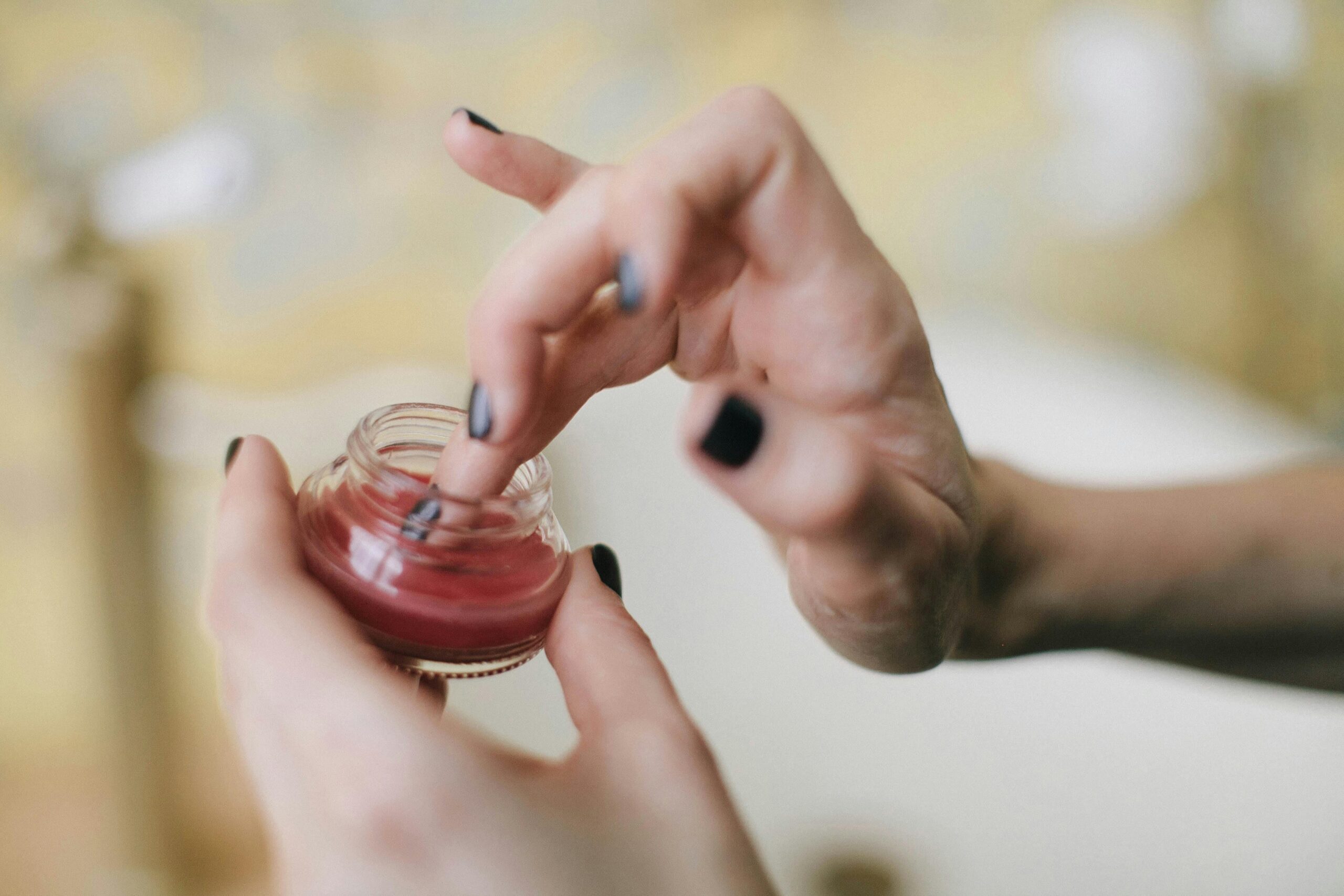
Rather than crowning a single winner, the smartest approach involves having both options in your skincare toolkit. Use clinical ointments when your skin is in crisis—during eczema flares, after chemical peels, or when winter weather becomes brutal. Turn to nourishing butters for daily maintenance, body care, and when you want your routine to feel indulgent rather than medicinal.
Your skin will guide you toward what it needs. If you wake up with residue still sitting on your skin’s surface, you’ve gone too heavy. If you’re hydrated all day without greasiness, you’ve found your sweet spot. This might mean using an ointment three nights a week and butter the rest, or switching formulas with the seasons.
The battle between ointments and butters isn’t about finding a definitive winner—it’s about understanding these powerful tools so you can deploy them strategically. Your radiant, healthy skin will be the ultimate trophy in this showdown, regardless of which team you’re on. Experiment with confidence, listen to your skin’s feedback, and remember that the best occlusive is the one you’ll actually use consistently. 🌟