Fragrance sensitivity is more common than most people realize, affecting millions worldwide. Understanding how to test for scent reactions can transform your daily comfort and wellbeing.

Whether you’re experiencing headaches from perfumes, skin irritation from scented products, or simply want to discover which fragrances work best with your body chemistry, learning the basics of fragrance sensitivity testing is essential. This comprehensive guide will walk you through everything you need to know about identifying, testing, and managing your relationship with scents in a safe and effective manner.
🌸 Understanding Fragrance Sensitivity: More Than Just a Preference
Fragrance sensitivity differs significantly from simply disliking a particular scent. It’s a physiological reaction that can manifest in various ways, from mild discomfort to severe allergic responses. When your body reacts negatively to certain fragrance compounds, it’s communicating an important message about what it can and cannot tolerate.
The complexity of modern fragrances means that a single perfume can contain anywhere from 50 to 300 different chemical compounds. These ingredients, both natural and synthetic, interact with your unique body chemistry, immune system, and respiratory system. Some people experience immediate reactions, while others develop sensitivity over time through repeated exposure.
Common symptoms of fragrance sensitivity include headaches, dizziness, nausea, respiratory difficulties, skin rashes, and eye irritation. These reactions occur because fragrance molecules are volatile organic compounds that easily enter your system through inhalation or skin absorption. Recognizing these symptoms as potential sensitivity markers is the first step toward better management.
🔬 The Science Behind Scent Reactions
Your olfactory system is remarkably sophisticated, capable of distinguishing thousands of different scents. When fragrance molecules enter your nose, they bind to receptors that send signals directly to your brain’s limbic system, which controls emotions and memory. This direct pathway explains why scents can trigger such powerful physical and emotional responses.
Fragrance sensitivity can stem from several mechanisms. Some reactions are true allergic responses involving your immune system, while others are irritant reactions that don’t involve immune antibodies but still cause discomfort. Additionally, some individuals experience what researchers call “multiple chemical sensitivity,” a condition where low-level exposure to various chemicals triggers symptoms.
The molecular structure of fragrance compounds plays a crucial role in sensitivity. Smaller molecules tend to be more volatile and penetrate deeper into respiratory tissues, potentially causing more pronounced reactions. Common culprits include synthetic musks, certain aldehydes, and preservatives like parabens that are often found in scented products.
💡 Genetic Factors and Personal Chemistry
Your genetic makeup significantly influences how you perceive and react to fragrances. Recent research has identified specific genes that affect odor receptor sensitivity, explaining why some people can detect certain scents at extremely low concentrations while others barely notice them. This genetic variation also influences the likelihood of developing sensitivities.
Hormonal fluctuations, particularly in women, can alter fragrance sensitivity. Many women report heightened scent awareness and increased reactions during pregnancy, menstruation, or menopause. These hormonal changes affect the nasal mucosa and can lower the threshold for irritant responses.
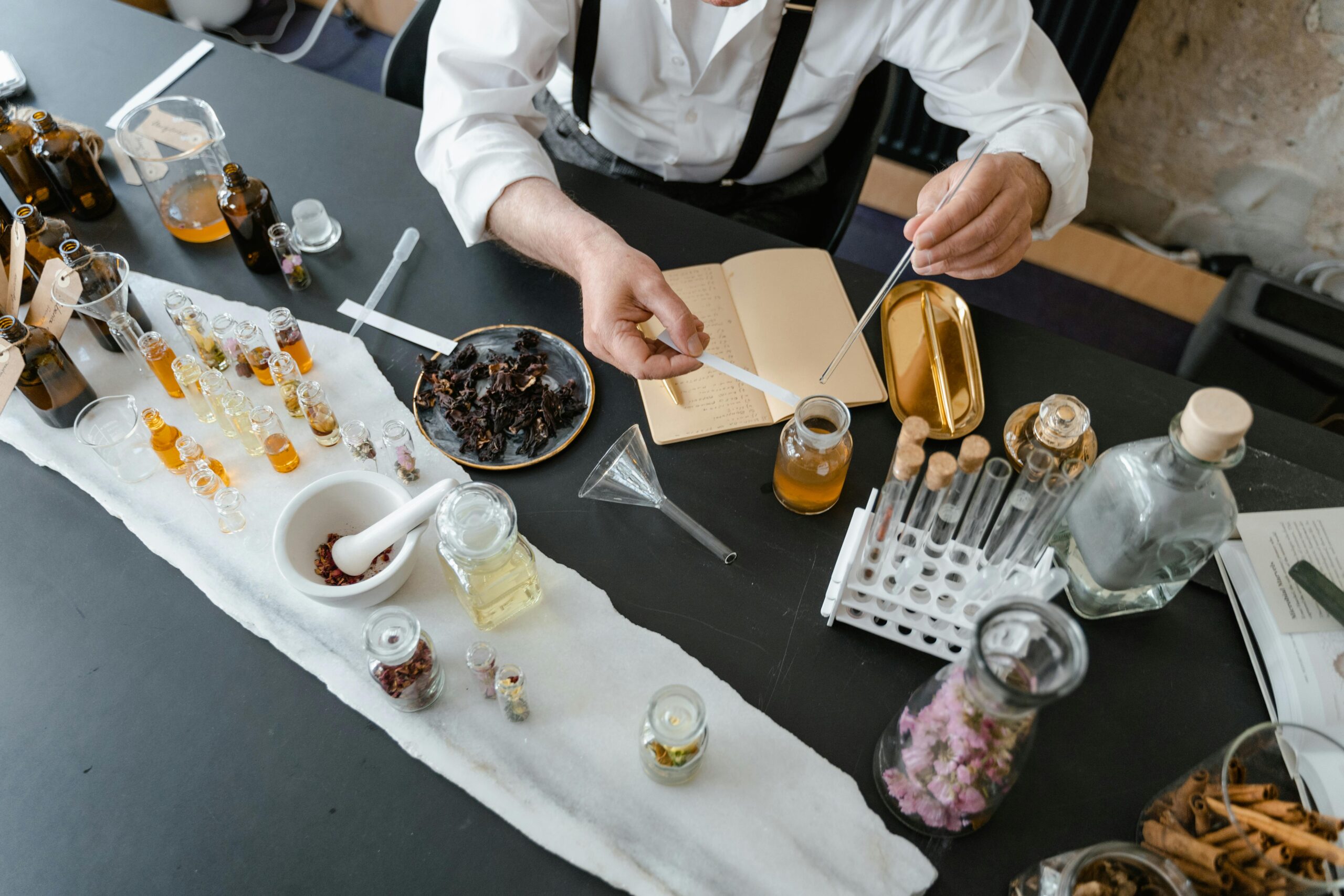
🧪 Essential Fragrance Sensitivity Testing Methods
Testing for fragrance sensitivity requires a systematic approach to ensure accurate results and maintain safety. Before beginning any testing protocol, it’s crucial to establish a baseline of your current symptoms and identify which products or environments trigger reactions. Keeping a detailed diary for at least two weeks helps establish patterns.
The Patch Test Protocol
Patch testing remains the gold standard for identifying contact allergens in fragrances. This method involves applying small amounts of suspected irritants to your skin under controlled conditions and monitoring for reactions over 48-72 hours.
To perform a basic home patch test, select a small area on your inner forearm. Clean the area thoroughly with unscented soap and water, then allow it to dry completely. Apply a tiny amount of the fragrance product you want to test, covering an area about the size of a dime. Cover it with a bandage and leave undisturbed for 24 hours.
After 24 hours, remove the bandage and examine the site for redness, swelling, itching, or blistering. Even if no reaction appears immediately, continue monitoring for another 24-48 hours, as some delayed reactions can occur. Document your findings with photos and detailed notes about any sensations or visible changes.
Inhalation Testing Approach
Since many fragrance sensitivities involve respiratory symptoms, inhalation testing provides valuable information. This method should be approached cautiously and performed in a well-ventilated area with another person present in case of severe reactions.
Start by opening the fragrance container and holding it at arm’s length. Gradually bring it closer to your nose over several minutes, pausing at different distances to assess your reaction. Never inhale deeply directly from the bottle. Note any symptoms such as headache, dizziness, throat irritation, or breathing difficulty.
For more controlled testing, apply a small amount of fragrance to a testing strip or cotton ball and place it several feet away. Gradually decrease the distance over 15-20 minutes while monitoring symptoms. This gradual approach helps identify your sensitivity threshold more accurately.
📋 Creating Your Personal Testing Environment
Establishing the right conditions for fragrance testing ensures more reliable results. Your testing environment should be free from competing scents, adequately ventilated, and comfortable. Choose a time when you’re feeling well and haven’t recently been exposed to strong fragrances that might confound results.
Temperature and humidity can affect how fragrances behave and how your body responds. Warm, humid conditions intensify scent molecules and may increase sensitivity reactions. Conversely, cold, dry air can irritate respiratory passages, potentially causing false positive results. Room temperature with moderate humidity provides the most neutral testing conditions.
🛡️ Safety Precautions and Emergency Preparedness
Never test fragrances if you’re already experiencing symptoms from recent exposure. Allow at least 48 hours of fragrance-free living before conducting tests. Keep antihistamines, your inhaler (if prescribed), and a phone readily accessible during testing sessions.
If you experience severe symptoms such as difficulty breathing, rapid heart rate, severe dizziness, or throat swelling, discontinue testing immediately and seek medical attention. These signs may indicate anaphylaxis or a serious allergic reaction requiring professional intervention.
🗂️ Documenting Your Sensitivity Profile
Maintaining detailed records of your testing experiences creates a valuable reference for future fragrance decisions. Your documentation should include the product name, brand, testing date, method used, symptoms experienced, and severity rating on a scale of 1-10.
Consider creating a spreadsheet or using a notes app to track this information systematically. Include columns for fragrance family (floral, woody, citrus, etc.), suspected trigger ingredients, and any cross-reactions you notice. This organized approach helps identify patterns you might otherwise miss.
Photograph any visible skin reactions during patch testing, as these images provide objective evidence of sensitivity and can be valuable when consulting healthcare providers. Include a ruler or common object in photos to show the scale of reactions.
📊 Identifying Pattern and Triggers
After completing multiple tests, analyze your data to identify common denominators. You may discover that all products causing reactions contain a specific ingredient like linalool, limonene, or synthetic musk. This information becomes invaluable for avoiding problematic fragrances in the future.
Some people discover their sensitivity relates to concentration rather than specific ingredients. You might tolerate products with light fragrance loads but react to heavily scented items. Others find that certain fragrance families (like florals or orientals) consistently cause problems while others (like fresh citrus) remain tolerable.
🌿 Natural vs. Synthetic: Understanding the Difference
The common assumption that natural fragrances are inherently safer than synthetic ones doesn’t always hold true. Natural essential oils contain complex mixtures of volatile compounds, some of which are potent allergens. Lavender oil, for example, contains linalool and linalyl acetate, both known sensitizers for some individuals.
Synthetic fragrances offer the advantage of consistency and can be formulated to exclude known allergens. However, many synthetic compounds haven’t been extensively tested for long-term sensitization effects. Neither natural nor synthetic is universally superior—individual reactions vary significantly.
When testing, include both natural and synthetic options to determine which category works better for your body chemistry. Many people find they tolerate certain synthetics but react to specific natural extracts, or vice versa. Your personal sensitivity profile is unique and deserves individualized testing.
💪 Building Fragrance Tolerance: What Works and What Doesn’t
Some fragrance sensitivity advocates promote “tolerance building” through repeated low-level exposure. However, this approach carries risks and lacks strong scientific support. Unlike allergy immunotherapy, which follows precise protocols under medical supervision, casual exposure to irritants may worsen sensitivity rather than improve it.
If you want to expand your fragrance tolerance safely, work with an allergist or dermatologist who can develop an appropriate protocol. Medical professionals can perform comprehensive testing, identify specific triggers, and create supervised desensitization programs when appropriate.
🏥 When to Seek Professional Testing
Home testing provides valuable preliminary information, but professional evaluation offers superior accuracy and safety. Consult a healthcare provider if you experience severe reactions, if home testing yields confusing results, or if fragrance sensitivity significantly impacts your quality of life.
Allergists can perform comprehensive patch testing with standardized fragrance mixes that identify specific chemical sensitivities. These medical-grade tests use controlled concentrations and are interpreted by trained professionals who can distinguish between allergic reactions and irritant responses.
Dermatologists specializing in contact dermatitis offer another valuable resource, particularly for skin-related fragrance reactions. They can perform extended patch testing panels that include hundreds of potential allergens, providing detailed information about your specific sensitivities.
🛍️ Practical Application: Shopping with Sensitivity in Mind
Armed with knowledge about your fragrance sensitivities, shopping for personal care products becomes more strategic. Learn to read ingredient lists carefully, looking for your identified triggers. Many brands now offer fragrance-free or hypoallergenic options specifically formulated for sensitive individuals.
Be aware that “unscented” and “fragrance-free” have different meanings. Unscented products may contain masking fragrances that hide the smell of base ingredients, while fragrance-free products contain no added fragrances at all. For sensitive individuals, fragrance-free is typically the safer choice.
Consider testing products before purchasing full sizes. Many retailers offer sample programs or return policies that allow you to trial products safely. Apply the same testing protocols you’ve developed at home before committing to new products.
🌍 Creating a Fragrance-Friendly Environment
Managing fragrance sensitivity extends beyond personal product choices to encompass your entire environment. Communicate your needs clearly to family members, coworkers, and friends, helping them understand that this isn’t a preference but a health concern requiring accommodation.
Many workplaces now implement fragrance-free policies recognizing that scented products can affect employee health and productivity. If your workplace lacks such policies, consider advocating for them, providing educational materials about fragrance sensitivity and its impacts.
At home, gradually transition to fragrance-free cleaning products, laundry detergents, and air fresheners. You might be surprised how much fresher your living space feels without competing artificial scents. Open windows regularly to ensure good ventilation and reduce the concentration of any airborne chemicals.
✨ Embracing Your Fragrance Journey
Understanding your fragrance sensitivity isn’t about limitation—it’s about empowerment. By knowing exactly what triggers your reactions, you can make informed choices that protect your health while still enjoying pleasant scents within your tolerance range.
Your sensitivity profile may evolve over time. Repeat testing periodically, especially if you notice changes in your reactions or want to try new products. What causes problems today might become tolerable in the future, or vice versa, as your body chemistry changes with age, health status, and environmental factors.
Connect with others who share similar sensitivities through online communities and support groups. These connections provide emotional support, practical tips, and validation that you’re not alone in navigating a heavily fragranced world. Sharing experiences and solutions helps everyone manage their sensitivities more effectively.
Remember that taking control of your fragrance sensitivity is an ongoing process, not a one-time event. The testing basics you’ve learned here provide a foundation for lifelong awareness and management. Stay curious, remain patient with yourself, and celebrate the small victories as you create a more comfortable, healthier relationship with the scented world around you. Your nose knows best—trust it, test carefully, and enjoy the fragrant experiences that work for your unique biology.