In the quest for radiant health and vitality, antioxidants stand as powerful allies against cellular damage and premature aging. Understanding how these remarkable compounds work can transform your approach to wellness and longevity.

The modern world exposes us to countless environmental stressors, from pollution to ultraviolet radiation, all generating harmful free radicals that accelerate aging and disease. Antioxidants like Vitamin E, Vitamin C, Ferulic Acid, and CoQ10 form a protective shield, neutralizing these damaging molecules and supporting your body’s natural defense mechanisms. This comprehensive glossary will illuminate the science behind these essential nutrients and empower you to harness their full potential for optimal health.
🔬 What Are Antioxidants and Why Do They Matter?
Antioxidants are molecules that prevent or slow damage to cells caused by free radicals, unstable molecules that the body produces as a reaction to environmental and other pressures. Free radicals are essentially molecular troublemakers, stealing electrons from healthy cells in a process called oxidation, which can lead to cellular dysfunction, inflammation, and accelerated aging.
Think of oxidation as the biological equivalent of rust forming on metal. Just as rust deteriorates iron over time, oxidative stress degrades our cells, tissues, and organs. This process has been linked to numerous health conditions including cardiovascular disease, neurodegenerative disorders, cancer, and premature aging of the skin.
The body naturally produces some antioxidants, but obtaining additional quantities through diet and supplementation provides extra protection against the overwhelming oxidative burden of modern life. The synergistic relationship between different antioxidants makes combining them particularly effective for comprehensive cellular protection.
✨ Vitamin E: The Lipid-Soluble Protector
Vitamin E represents a family of eight fat-soluble compounds, with alpha-tocopherol being the most biologically active form in human tissue. This powerful antioxidant specializes in protecting cell membranes, which are primarily composed of lipids, from oxidative damage.
As a lipid-soluble antioxidant, Vitamin E integrates directly into cell membranes where it intercepts free radicals before they can cause structural damage. This unique positioning makes it particularly effective at preventing lipid peroxidation, a chain reaction that can compromise cellular integrity and function.
Key Benefits of Vitamin E
- Skin Protection: Reduces UV damage and supports skin barrier function, diminishing fine lines and improving texture
- Cardiovascular Health: Prevents LDL cholesterol oxidation, reducing atherosclerosis risk
- Immune Function: Enhances immune response, particularly in older adults
- Eye Health: Protects against age-related macular degeneration when combined with other nutrients
- Cognitive Support: May slow cognitive decline associated with aging
Natural food sources rich in Vitamin E include almonds, sunflower seeds, hazelnuts, avocados, spinach, and wheat germ oil. The recommended dietary allowance for adults is 15 mg (22.4 IU) daily, though therapeutic doses may be higher under professional guidance.
🍊 Vitamin C: The Universal Antioxidant Powerhouse
Vitamin C, or ascorbic acid, stands as perhaps the most well-known and researched antioxidant nutrient. Unlike Vitamin E, this water-soluble compound circulates freely in body fluids, protecting the aqueous environments both inside and outside cells from oxidative damage.
Beyond its antioxidant properties, Vitamin C serves as an essential cofactor for numerous enzymatic reactions, including collagen synthesis, carnitine production, and neurotransmitter metabolism. This multifunctional nutrient truly earns its reputation as a cornerstone of optimal health.
Remarkable Properties of Vitamin C
Vitamin C demonstrates exceptional versatility in protecting human health. It directly neutralizes various free radicals and reactive oxygen species, while simultaneously regenerating other antioxidants like Vitamin E, effectively extending their protective capacity. This regenerative ability creates an antioxidant network where nutrients support and amplify each other’s effects.
The immune-boosting properties of Vitamin C are well-documented, with research showing it enhances white blood cell function, supports the skin’s barrier defenses, and shortens the duration of respiratory infections. Its role in collagen synthesis makes it indispensable for skin elasticity, wound healing, and maintaining the integrity of blood vessels, cartilage, and bones.
Dietary sources include citrus fruits, strawberries, kiwi, bell peppers, broccoli, Brussels sprouts, and tomatoes. The recommended daily intake is 90 mg for men and 75 mg for women, though many health practitioners advocate for significantly higher doses to maximize antioxidant benefits.
🌾 Ferulic Acid: The Synergistic Enhancer
Ferulic acid represents a sophisticated phytochemical found in the cell walls of plants, particularly grains, fruits, and vegetables. This phenolic compound has gained tremendous attention in both nutritional science and cosmetic dermatology for its remarkable ability to enhance the stability and efficacy of other antioxidants.
What makes ferulic acid particularly fascinating is its synergistic relationship with Vitamins C and E. When combined, these three antioxidants create a formulation significantly more effective than any single component alone, with each nutrient enhancing the others’ stability and antioxidant capacity.
Why Ferulic Acid Deserves Your Attention
Research demonstrates that ferulic acid doubles the photoprotection provided by Vitamins C and E, offering exceptional defense against UV-induced skin damage. It neutralizes free radicals generated by sun exposure while simultaneously preventing the formation of sunburn cells and reducing DNA damage.
This powerful antioxidant also exhibits anti-inflammatory properties, helping to calm irritated skin and reduce redness. Its ability to inhibit tyrosinase, an enzyme involved in melanin production, makes it valuable for addressing hyperpigmentation and promoting even skin tone.
Natural sources include whole grains (particularly oats, brown rice, and wheat), coffee, apples, artichokes, peanuts, and oranges. The compound is also available in topical serums and supplements, where it’s often combined with Vitamins C and E for maximum benefit.
⚡ CoQ10: The Cellular Energy and Antioxidant Dynamo
Coenzyme Q10, commonly abbreviated as CoQ10 or ubiquinone, occupies a unique position in the antioxidant world. This lipid-soluble compound functions both as a critical component of cellular energy production and as a potent antioxidant, particularly within mitochondria where metabolic activity generates substantial free radicals.
Every cell in your body contains mitochondria, the powerhouses that convert nutrients into ATP, the energy currency that fuels all biological processes. CoQ10 serves as an essential electron carrier in this energy production chain while simultaneously protecting mitochondrial membranes from oxidative damage.
The Multifaceted Benefits of CoQ10
CoQ10 levels naturally decline with age, and this reduction correlates with decreased energy production and increased oxidative stress. Supplementation can help restore optimal levels, supporting cardiovascular health, cognitive function, and physical performance.
Cardiovascular benefits are particularly well-documented, with research showing CoQ10 improves heart function in individuals with heart failure, reduces blood pressure, and protects against atherosclerosis. The heart, being one of the most metabolically active organs, contains exceptionally high concentrations of CoQ10 and suffers noticeably when levels decline.
Athletes and fitness enthusiasts often supplement with CoQ10 to enhance exercise performance and reduce muscle damage during intense training. Its role in energy metabolism and antioxidant protection makes it valuable for supporting physical stamina and recovery.
Food sources include organ meats (particularly heart, liver, and kidney), fatty fish like salmon and mackerel, whole grains, and spinach. However, dietary intake typically provides only modest amounts, making supplementation often necessary to achieve therapeutic levels.
🔄 The Synergy Effect: Combining Antioxidants for Maximum Impact
Understanding individual antioxidants provides valuable knowledge, but appreciating their synergistic interactions reveals the true path to optimal protection. Antioxidants work as a network, with each compound supporting and regenerating others, creating a protective effect far greater than the sum of individual components.
The classic example involves Vitamins C and E working in tandem. When Vitamin E neutralizes a free radical in a cell membrane, it becomes oxidized and temporarily inactive. Vitamin C can then regenerate Vitamin E, restoring its antioxidant capacity and allowing it to continue protecting the membrane. Adding ferulic acid to this duo further enhances stability and potency.
Creating Your Antioxidant Strategy
An effective antioxidant strategy incorporates both fat-soluble and water-soluble compounds to protect all cellular environments. This approach ensures comprehensive coverage against the diverse free radicals encountered throughout the body.
| Antioxidant | Solubility | Primary Action Site | Best Combined With |
|---|---|---|---|
| Vitamin E | Fat-soluble | Cell membranes | Vitamin C, Selenium |
| Vitamin C | Water-soluble | Intracellular and extracellular fluids | Vitamin E, Ferulic Acid |
| Ferulic Acid | Both | Multiple compartments | Vitamins C and E |
| CoQ10 | Fat-soluble | Mitochondrial membranes | Vitamin E, Alpha-lipoic acid |
🥗 Food-First Approach: Eating Your Antioxidants
While supplements offer convenience and concentrated doses, obtaining antioxidants through whole foods provides additional benefits including fiber, phytonutrients, and compounds that enhance absorption and utilization. A diet rich in colorful fruits and vegetables, nuts, seeds, whole grains, and quality proteins naturally delivers a spectrum of antioxidants.
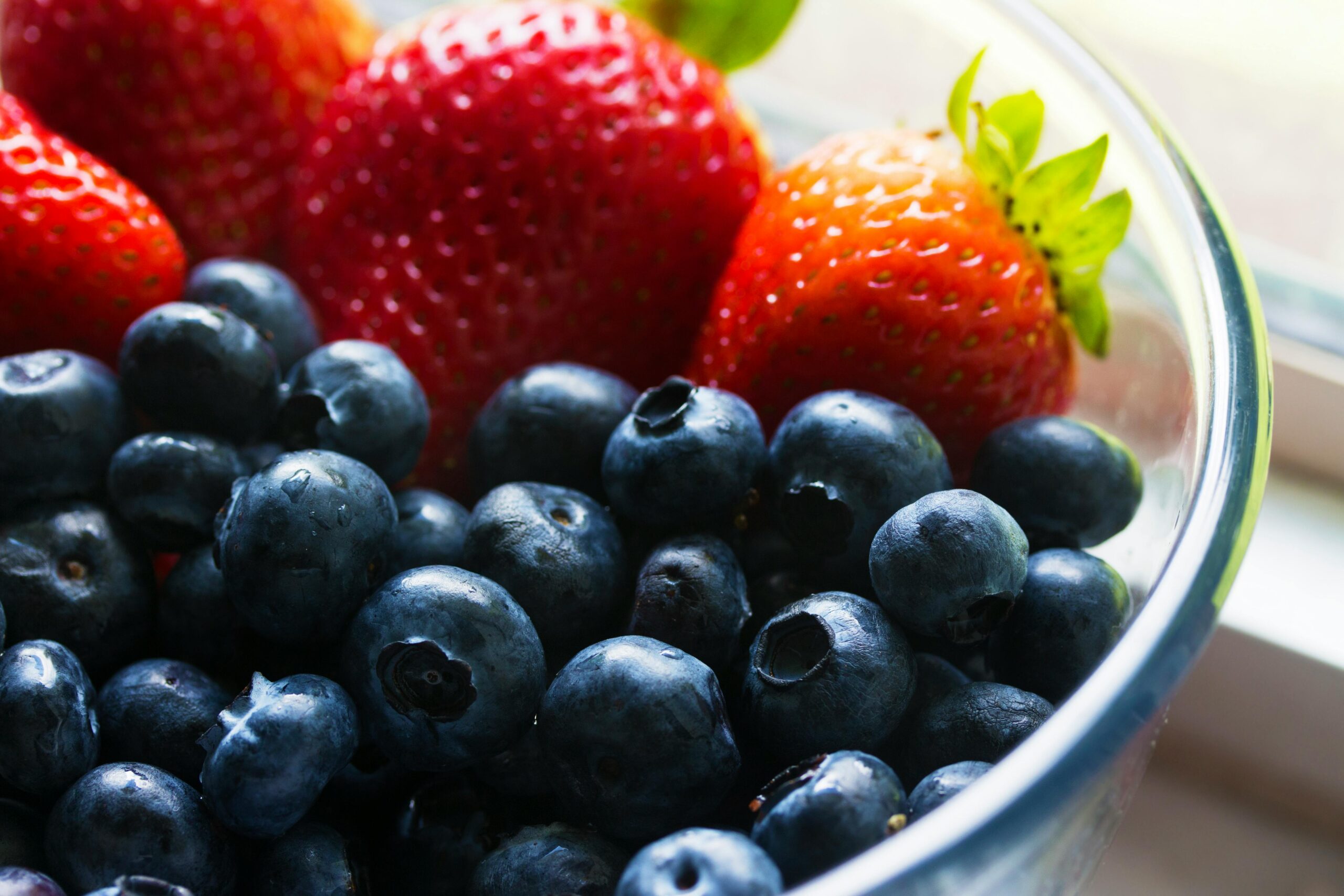
The vibrant pigments in plant foods often indicate antioxidant content. Deep orange carrots and sweet potatoes provide beta-carotene, red tomatoes offer lycopene, purple berries contain anthocyanins, and green leafy vegetables deliver lutein and zeaxanthin. Eating a rainbow of plant foods ensures diverse antioxidant intake.
Practical Tips for Maximizing Dietary Antioxidants
- Prioritize variety: Different antioxidants protect against different free radicals, so diversity matters
- Choose vibrant colors: Deeper, richer colors generally indicate higher antioxidant content
- Include healthy fats: Fat-soluble antioxidants like Vitamins E and CoQ10 require dietary fat for absorption
- Minimize processing: Heat, light, and extended storage degrade antioxidant content
- Consider preparation methods: Some antioxidants like lycopene increase with cooking, while others diminish
💊 Strategic Supplementation: When and How Much
Despite best dietary efforts, achieving optimal antioxidant levels through food alone can be challenging, particularly for nutrients like CoQ10 or when addressing specific health concerns. Strategic supplementation fills these gaps, providing concentrated doses that support therapeutic outcomes.
Quality matters significantly with antioxidant supplements. Look for products from reputable manufacturers that provide third-party testing verification, appropriate dosages, and bioavailable forms. For example, ubiquinol (the reduced form of CoQ10) is generally better absorbed than ubiquinone, particularly in older adults.
General Supplementation Guidelines
Vitamin E supplements typically range from 100 to 400 IU daily, though higher doses should be discussed with healthcare providers, particularly for individuals taking blood-thinning medications. Mixed tocopherol formulations offer broader protection than alpha-tocopherol alone.
Vitamin C supplementation commonly ranges from 500 to 2000 mg daily, divided into multiple doses for optimal absorption. Since Vitamin C is water-soluble with minimal toxicity risk, higher doses are generally well-tolerated, though some individuals may experience digestive discomfort.
Ferulic acid is most commonly applied topically in skincare products, typically at concentrations of 0.5% to 1% combined with Vitamins C and E. Oral supplementation is less common but available, usually at doses of 50 to 100 mg daily.
CoQ10 supplementation typically ranges from 100 to 300 mg daily, with higher doses used for specific conditions under medical supervision. Taking CoQ10 with a meal containing fat enhances absorption significantly.
🌟 Beyond Basic Protection: Antioxidants for Specific Goals
While general antioxidant protection benefits everyone, targeting specific health goals allows for more personalized optimization. Understanding which antioxidants excel for particular purposes enables strategic selection based on individual needs and priorities.
For Radiant, Youthful Skin
The combination of Vitamins C and E with ferulic acid represents the gold standard for topical antioxidant skincare. This trio provides exceptional photoprotection, stimulates collagen production, reduces hyperpigmentation, and improves skin texture. Morning application under sunscreen offers optimal protection against daily environmental damage.
For Cardiovascular Vitality
CoQ10 stands out as the premier cardiovascular antioxidant, supporting heart muscle function and protecting blood vessels from oxidative damage. Vitamin E provides additional benefit by preventing LDL cholesterol oxidation, while Vitamin C supports healthy blood vessel walls and blood pressure regulation.
For Cognitive Sharpness
The brain’s high metabolic activity and lipid content make it particularly vulnerable to oxidative damage. Vitamin E protects neural membranes, CoQ10 supports mitochondrial function in brain cells, and Vitamin C helps regenerate other antioxidants while supporting neurotransmitter synthesis.
For Athletic Performance
Intense exercise generates substantial free radicals as a byproduct of increased metabolism. CoQ10 supports energy production while protecting muscle cells, Vitamin C aids recovery and reduces exercise-induced oxidative stress, and Vitamin E protects muscle membranes from damage during prolonged activity.
⚠️ Important Considerations and Potential Interactions
While antioxidants are generally safe and beneficial, certain considerations deserve attention. Very high doses of individual antioxidants may paradoxically exhibit pro-oxidant effects under specific circumstances, emphasizing the importance of balanced, moderate supplementation rather than megadosing single nutrients.
Vitamin E can enhance the effects of blood-thinning medications like warfarin, potentially increasing bleeding risk. Anyone taking anticoagulants should consult their healthcare provider before supplementing with Vitamin E. Similarly, high-dose Vitamin C may interact with certain chemotherapy drugs and should be discussed with oncologists.
Timing matters for optimal antioxidant benefit. Some research suggests taking large doses of antioxidants immediately before or after exercise may blunt beneficial adaptive responses to training. Consider separating antioxidant supplementation from workout times by several hours if training for athletic performance.
🎯 Crafting Your Personal Antioxidant Protocol
Creating an effective personal antioxidant strategy begins with assessing your current status, identifying specific goals, and selecting appropriate sources. Consider factors including age, lifestyle, environmental exposures, dietary patterns, existing health conditions, and individual objectives.
Start with a strong dietary foundation emphasizing whole, minimally processed foods rich in natural antioxidants. Build your meals around colorful vegetables, fruits, nuts, seeds, legumes, and quality proteins. This approach provides not only antioxidants but also fiber, minerals, and phytonutrients that support overall health.
Layer targeted supplementation based on specific needs and goals. If cardiovascular health is a priority, emphasize CoQ10 and Vitamin E. For skin vitality, focus on topical Vitamin C, E, and ferulic acid combinations alongside oral supplementation. Those concerned with cognitive health might prioritize Vitamin E and CoQ10.
Monitor your response to supplementation through both subjective measures like energy levels, skin appearance, and mental clarity, and objective markers including relevant blood tests when appropriate. Adjust your protocol based on results and evolving needs over time.
🌈 Embracing Antioxidant-Rich Living for Lasting Vitality
Mastering the power of antioxidants transcends simply taking supplements or eating specific foods. It represents a comprehensive lifestyle approach that minimizes oxidative stress while maximizing protective capacity. This holistic perspective includes stress management, quality sleep, regular physical activity, and minimizing exposure to environmental toxins.
Chronic stress generates free radicals and depletes antioxidant reserves, making stress reduction practices essential for optimal antioxidant status. Meditation, yoga, adequate sleep, and meaningful social connections all support your body’s antioxidant defenses by reducing the overall oxidative burden.
Environmental exposures including air pollution, cigarette smoke, excessive alcohol consumption, and pesticides significantly increase free radical production. Minimizing these exposures reduces the demand on your antioxidant systems, allowing them to work more effectively with available resources.
The journey to radiant health and vitality through antioxidants is ongoing and deeply personal. As you integrate this knowledge into daily practice, you’ll likely notice improvements in energy, appearance, resilience, and overall wellbeing. These powerful compounds offer genuine support for healthy aging and disease prevention when used thoughtfully as part of a balanced lifestyle.
Remember that antioxidants work best as part of a comprehensive wellness strategy that includes nutritious eating, regular movement, stress management, quality sleep, and positive relationships. By understanding and applying the principles outlined in this glossary, you’re well-equipped to harness the remarkable power of Vitamins E and C, ferulic acid, and CoQ10 for optimal health, longevity, and vitality throughout your life.